

![[?]](https://romanzolotarev.com/logo.png)
https://romanzolotarev.com/about/
Alt...
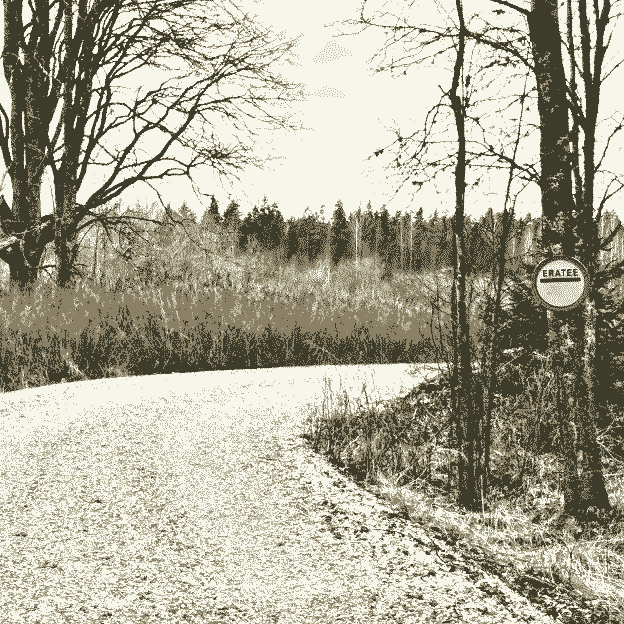
a gravel road winds through the forest. on the right, a "private road" sign reads "eratee" (est.)
![[?]](https://media.exquisite.social/exquisite/accounts/avatars/110/326/591/179/948/352/original/99fcf794b9e7ae00.jpg)
![[?]](https://media.mathstodon.xyz/accounts/avatars/000/075/792/original/c2b4b048cd0afbaa.jpg)
![[?]](https://media.exquisite.social/exquisite/accounts/avatars/112/740/281/679/421/243/original/8db2f712b2396f11.jpg)
![[?]](https://media.toot.pouyan.net/media/94f2e9df18a60aab564b4318ce628ca924c7defe5afa3317aba90e7e80e175b8.png)
![[?]](https://files.shakedown.social/accounts/avatars/110/316/047/682/316/952/original/b2797e83811476ef.png)
![[?]](https://files.mastodon.social/accounts/avatars/108/221/293/645/539/654/original/eca7783b562922ef.gif)

![[?]](https://assets.merveilles.town/accounts/avatars/111/961/634/969/430/067/original/ae50d7335e9407ee.jpg)
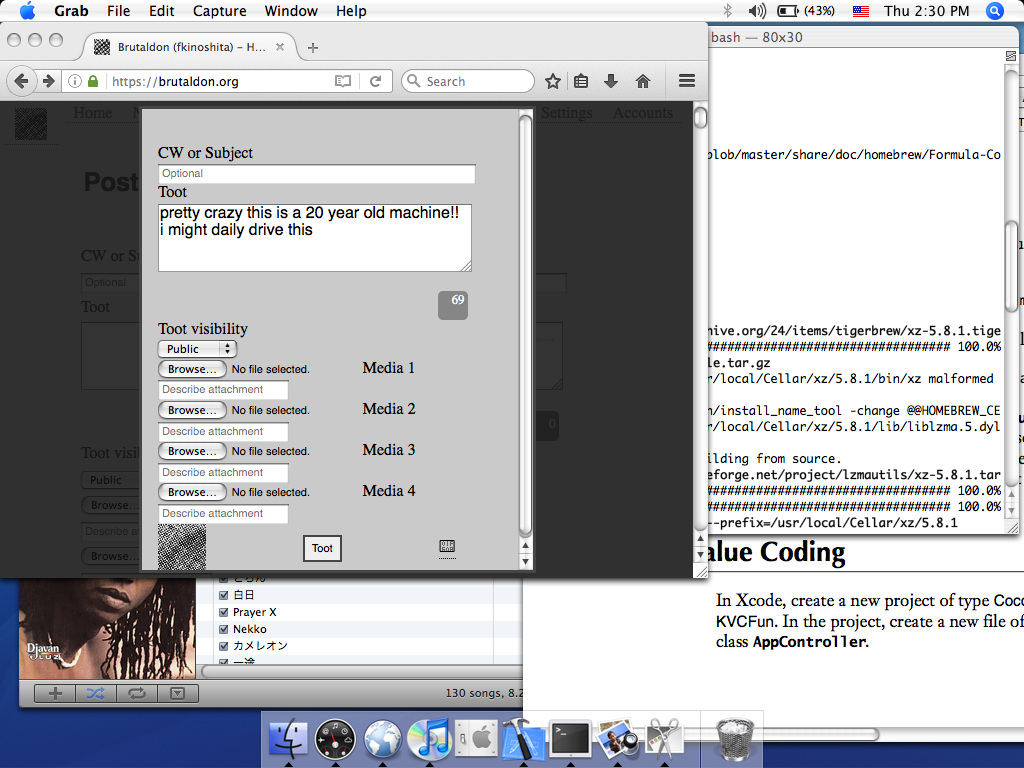
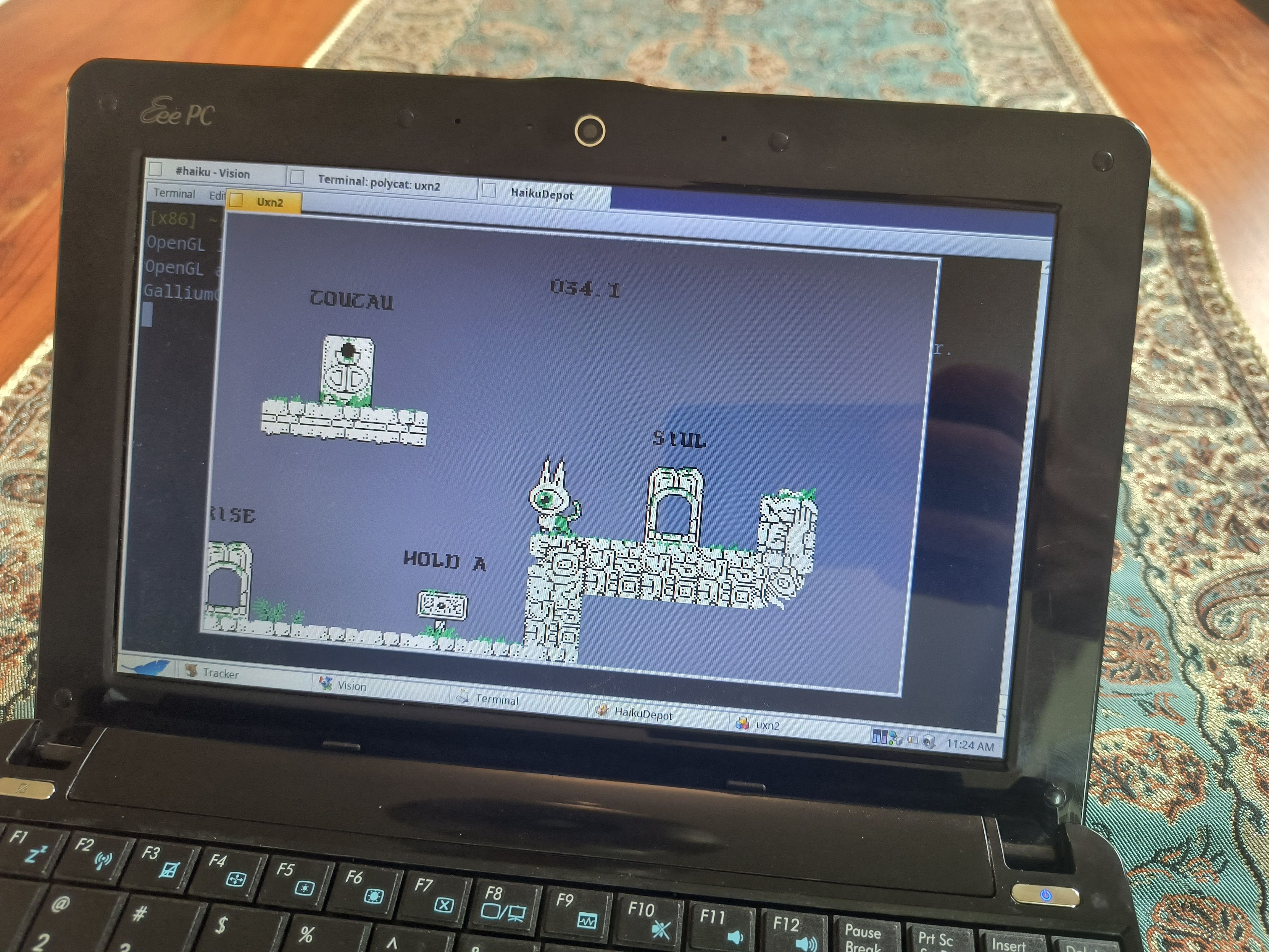
pretty crazy this is a 20 year old machine!! i might daily drive this
Alt...
Screenshot of mac os x tiger running a bunch of applications and mastodon written this very post
...
![[?]](data:image/png;base64, iVBORw0KGgoAAAANSUhEUgAAAEAAAABAAQAAAACCEkxzAAAAV0lEQVQoz43RwQ3AMAwCQDZg/y3ZgNqo3+JaedwDOUQBQFHYaTB8wTM6sGl2cMPu+DFzn+ZcgN7wF7ZVihXkfSlWIVzIA6dbQzaygllpNuTXZmmFNlvxADX1+o0cUPMbAAAAAElFTkSuQmCC)
some month ago, I made a video of my first modular synth patch 😊
https://www.youtube.com/watch?v=kaHsIIL-VJo
here is the system I used in this video:
https://modulargrid.net/e/racks/view/3004903
![[?]](https://assets.merveilles.town/accounts/avatars/000/000/005/original/edce181033892827.jpg)
🌱 Little AND gates and a flip-flop in #wireworld.
https://wiki.xxiivv.com/site/wireworld
...
![[?]](https://media.bsd.network/accounts/avatars/000/001/413/original/d113a02fb84e4f5a.jpg)

Heads up for #OpenBSD 7.8 users, backports for chromium, iridium, ungoogled-chromium ports have been committed, updated -stable packages should be showing up in the next few days!
chromium has historically only received updates in -current, but it appears sthen@ has managed to backport them!
https://marc.info/?l=openbsd-ports-cvs&m=177195097807729&w=2
![[?]](https://s3.eu-central-003.backblazeb2.com/social-lol-media/accounts/avatars/115/587/782/810/400/940/original/beef751b0b46688c.png)
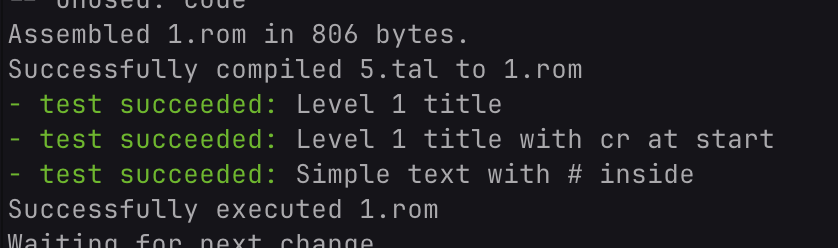
latest verson in ports is 6.9
![[?]](https://files.mastodon.social/accounts/avatars/000/015/117/original/8371761aee69aaf7.png)
Publishing a webpage in #picotron 0.3 by dragging it into podnet ~ each user has write and listing permission for podnet://{userid}/*
- users: 2 (incl. relay)
- following: 122
- timeline_purge_days: 1
- file count: 15687
- inode count: 14090
- size on disk: 70.3mb (incl. 53.1mb of data, mostly *.json)
- core dumps: 3 (added
rcctl restart snacin crontab for now)
![[?]](https://cdn.masto.host/ludospherefr/accounts/avatars/113/708/760/422/951/008/original/2fa6d6cc6ad9f8e2.png)
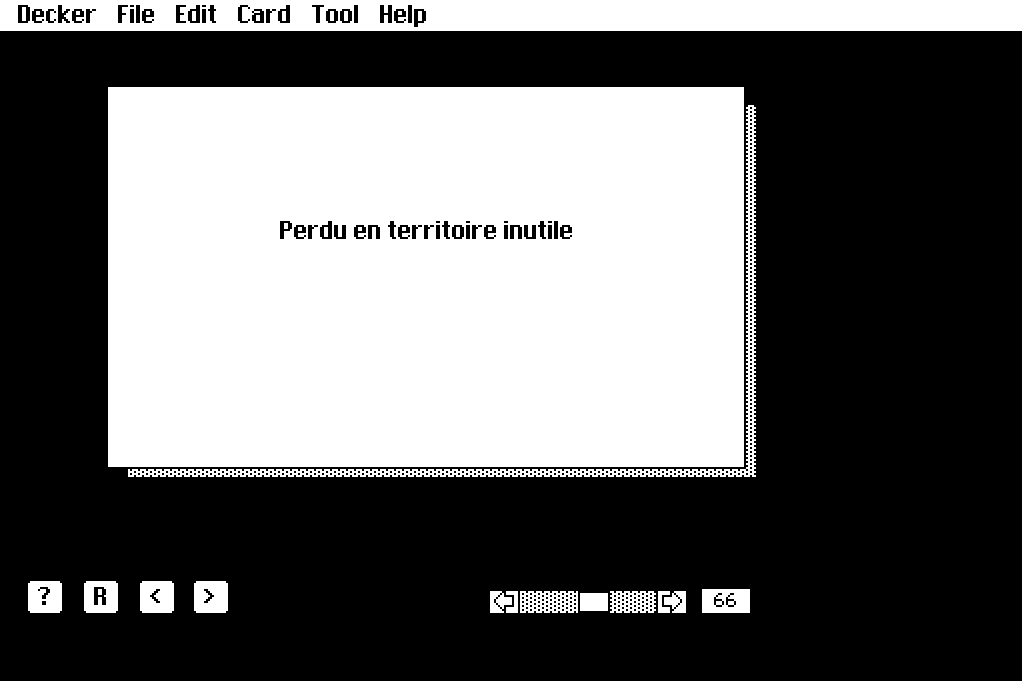
I've made a copy of an Apple #Hypercard version of Oblique Strategies with #Decker :
https://farvardin.itch.io/strategies-obliques
in English and French.
Alt...
Oblique Strategies for Decker
![[?]](https://media.tech.lgbt/accounts/avatars/109/093/165/028/047/640/original/7463f84b80dc117a.jpg)
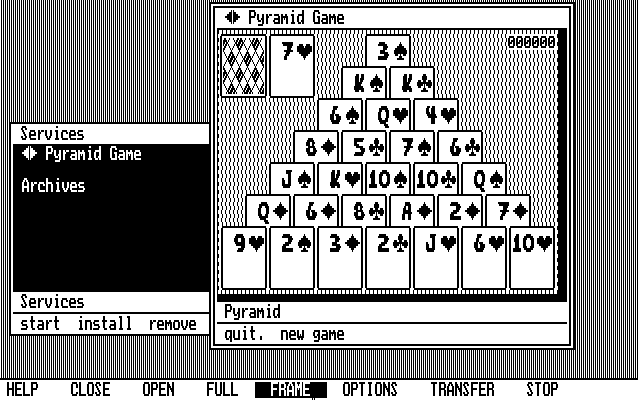
My cold got better in the evening, so I finished editing the article about reverse-engineering a rare but historically important operating system VisiCorp VisiOn. A ~10,000-word-long write-up is accompanied by the first-ever third-party application for Visi On, developed by my fiancée, Atsuko.
https://git.sr.ht/~nkali/vision-sdk/tree/main/note/index.md
Alt...
A screenshot of a black and white computer interface. The window in front is a card game called the Pyramid Game, showing playing cards arranged in a triangle. The background window is Services, showing the list on installed apps (Pyramid Game and Archives)
![[?]](https://mastodon.tomodori.net/system/accounts/avatars/115/312/380/337/748/146/original/c4ab1d9803c59204.png)
so one of my big goals for Exigy - my graphical IDE and software development toolkit for lua/love2d - was integrating networking
i've never written a line of networking code in my life until two weeks ago. learning network code necessitated writing Events-driven code, which was mostly new to me too.
i needed some kind of 2d game to test out the network code, so i spent a couple of days hacking together a mini Lunatic Fringe game, if you remember this old classic After Dark module.
for the first time since i was in high school 30 years ago, i had to re-learn trigonometric theory. just making that little ship turn and thrust in the right direction took me WAY longer than i'm comfortable admitting to 😬
these two lines should probably be tattooed to my forehead:
xPositionIncrement = -cos(shipAngle)
yPositionIncrement = sin(-shipAngle)
so as of today, Exigy now has server-client networking over UDP. 🤞 i'll be able to get a dollar store quality Lunatic Fringe server up and running in the next few days to test out the networking code
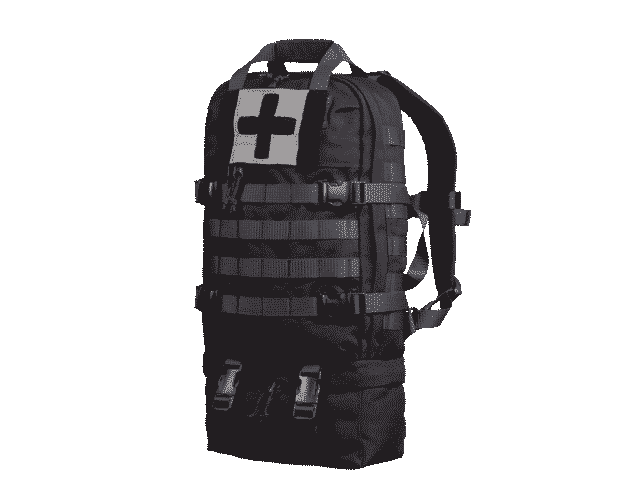
my favorite is an 18-liter medic pack (1.22 kg)
i have been wearing it for a year now. it's tough, sized well, has enough pals webbing. perfect for a day hike or city trips ❤️
when i need a lighter pack with a pocket for a laptop, then i take niukka (0.95 kg)
i don't think i'll ever buy another backpack: ones i have will outlast me :)
Alt...
savotta medic pack

Alt...
cult of savotta patch
![[?]](https://assets.merveilles.town/accounts/avatars/110/300/385/464/197/407/original/d705cb0a38cb416e.png)
![[?]](https://ftp.ieji.de/accounts/avatars/108/563/067/953/855/831/original/1a5c04ab0c82c7c9.png)
Took about 15 minutes to spin up a mate desktop with #openbsd
Thats pretty easy.
Around 11 minutes of that 15 was installing the os and the desktop packages, but im on a slow 100mbit internet. The remaining 4 or so was configuring which involved reading a pkg-readme file, following instructions in it, and setting up a few themes.
I really don't get it when people say OpenBSD is hard to set up. Its really not
When i show screenshots of my usual setup on openbsd in linux-oriented places online i'll often get questions like "how do you *even* run that? Isn't it bad for desktop?" Or "openbsd is really bad and supports nothing, i don't think i could use it" or, "you're brave for using openbsd, i could NEVER" Etc.
Ive been getting by fine for the past 4 years or so, and have no plans to switch away.
Its true that desktop on the BSDs isn't nearly as streamlined as some linux systems, but if you can put in a little effort, its actually really quite nice to use as a desktop, and in some ways, better than linux
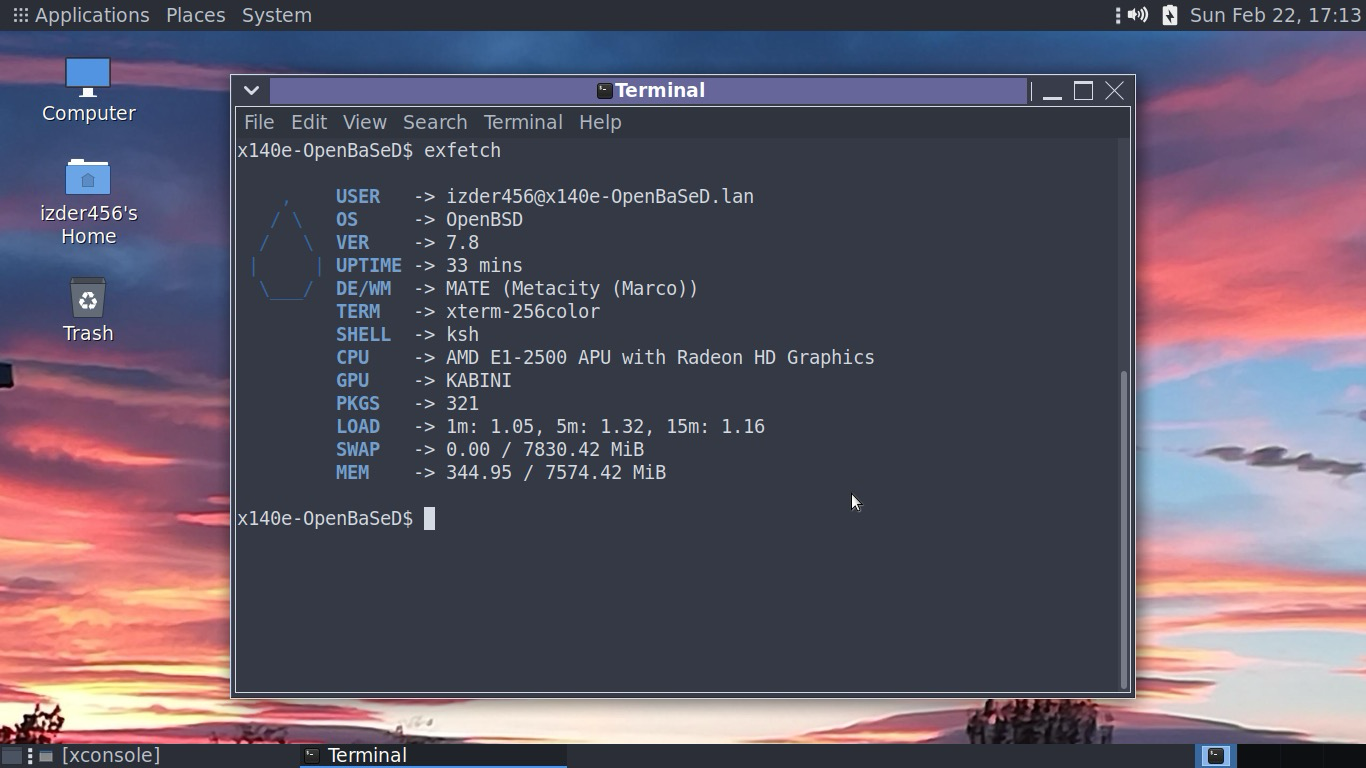
Alt...
The mate desktop environment running with default panel layout, arc gtk theme. There is a terminal window in the center of the screen showing the output of a system fetch utility called "exfetch". Background is a sunset sky.
4 years ago, I spent a weekend putting together a little slideshow program, and have since given every single presentation in it. The idea was that I wanted a slideshow format that was textual so that I could version it, and that I could write the speaker's notes in that same source.
I occasionally found little optimizations so that images are drawn faster, but otherwise, it's essentially the same.
https://wiki.xxiivv.com/site/adelie
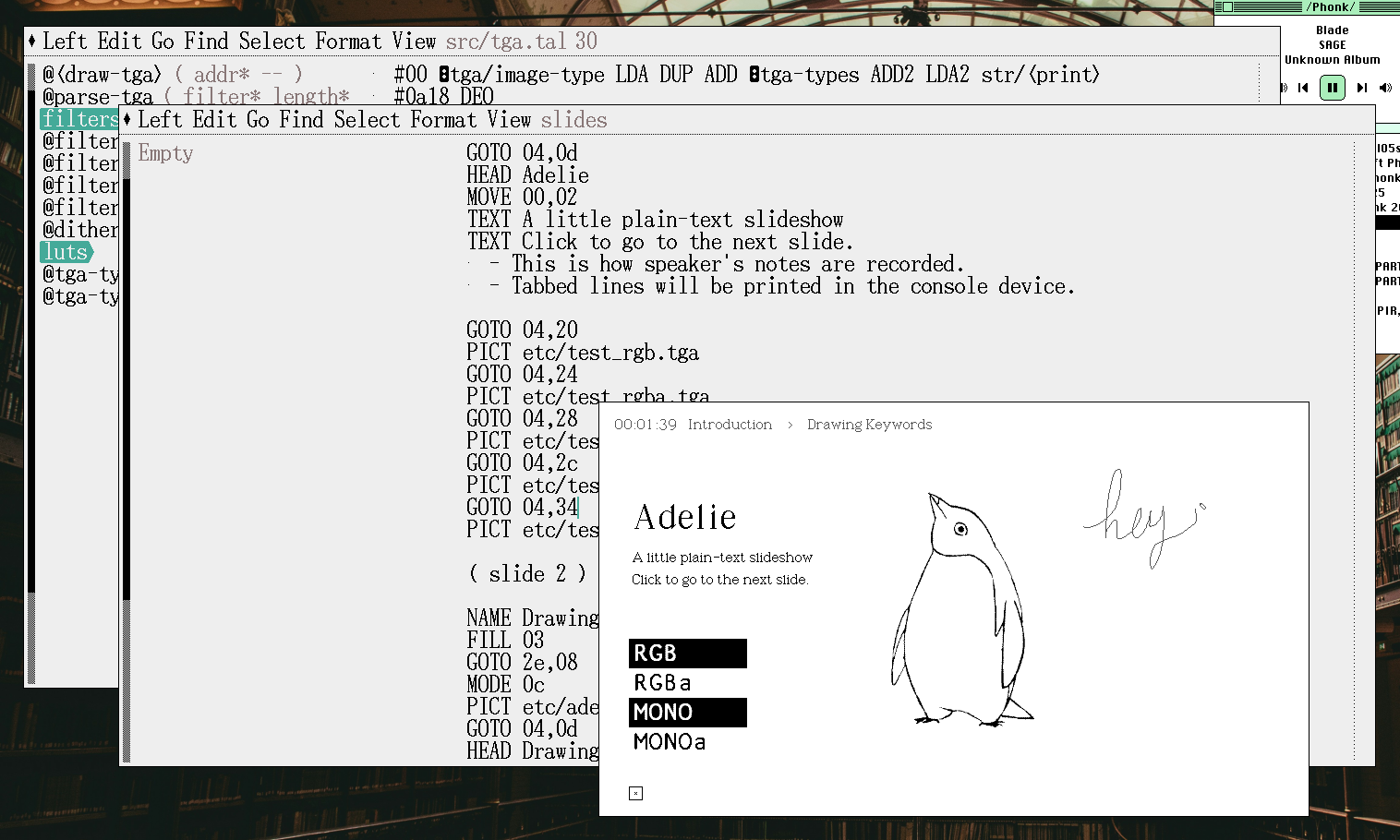
Alt...
A demo slideshow that shows image rendering and its source.
EVERYTHING’S GOING TO BE OK
Implementing a tiny virtual machine, assembler, and compiler
The thesis of Tre O’Neal
https://digitalcommons.ncf.edu/cgi/viewcontent.cgi?article=7765&context=theses_etds
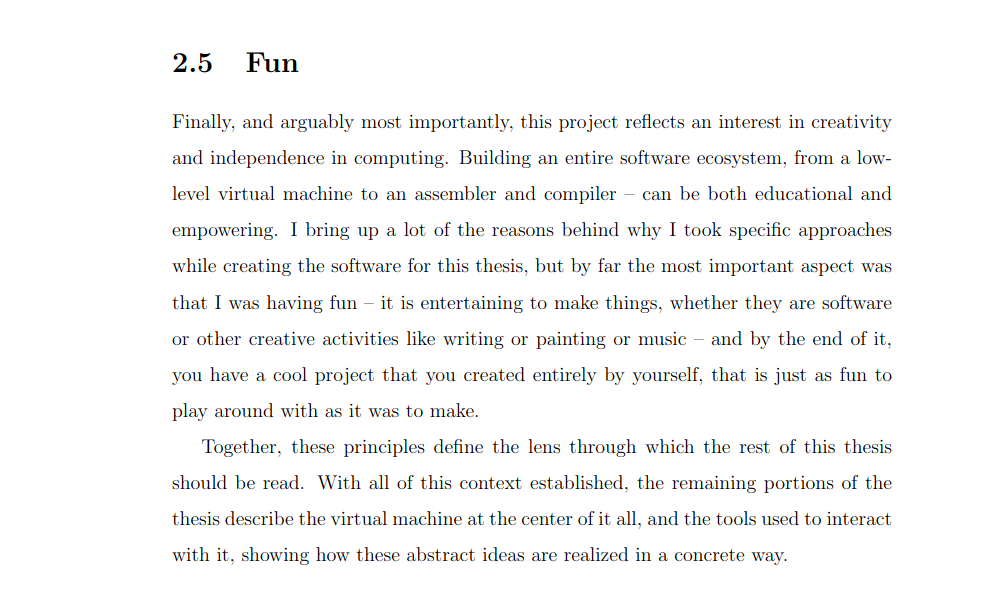
Alt...
Finally, and arguably most importantly, this project reflects an interest in creativity
and independence in computing. Building an entire software ecosystem, from a low-
level virtual machine to an assembler and compiler – can be both educational and
empowering. I bring up a lot of the reasons behind why I took specific approaches
while creating the software for this thesis, but by far the most important aspect was
that I was having fun – it is entertaining to make things, whether they are software
or other creative activities like writing or painting or music – and by the end of it,
you have a cool project that you created entirely by yourself, that is just as fun to
play around with as it was to make
![[?]](https://assets.merveilles.town/accounts/avatars/110/697/608/787/257/053/original/14b6c319761248eb.png)
While I love that #linux is a very competent alternative to commercial operating systems, I can't help but feel that there should be a _simple_ OS out there, something that is deliberately made at a human scale at the expense of modern features.
A well-built microcosmos that just works and requires no fiddling around.
Think no terminal (at least no need for it 99% of the time), elegant first principles, nice GUI, basic tools for programming, writing documents and drawing. Is there such an OS? I guess most old systems were like this, but is there something modern?
![[?]](https://cdn.masto.host/dicecamp/accounts/avatars/112/364/858/295/724/350/original/760c7fc134409751.png)
I finally finished Node1 of my balcony weather station. After nearly a year of looking at it collecting dust and a few hacking sessions, it is installed and working.
It measures temperature, humidity, pressure, and partial matter (in three resolutions).
Big hurdles were mostly software related: getting the Pico SDK C tool chain figured out; getting i2c, uart, and WiFi to play nice together; and keeping the WiFi connection stable.
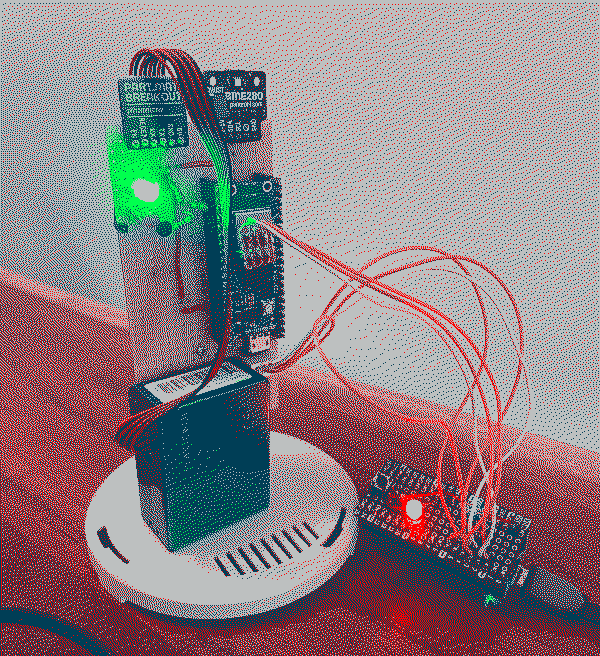
Alt...
Sensor board exposed and hooked up to programmer board.
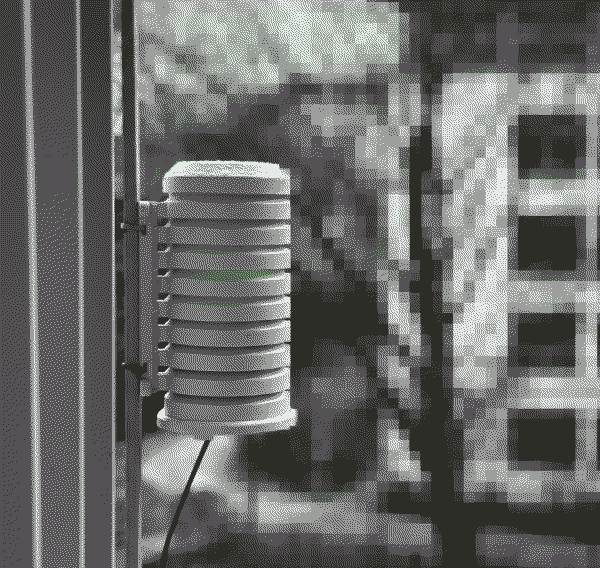
Alt...
Sensor installed on the balcony.
Someone asked me why I don't implement markdown support to the wiki engine instead of painstakingly typing down html tags. I think the reason that I never felt like markdown was worth it, was that the editor I use makes writing html somewhat frictionless, maybe if I lost this, I'd consider adding a parser.
Markdown support adds a thick layer of junk to a SSG, maybe the trick is just to improve html support to the editor you use, and keep the site simplier.
TIL you can trace cogs in Inkscape!
Extensions > Render > Cogs
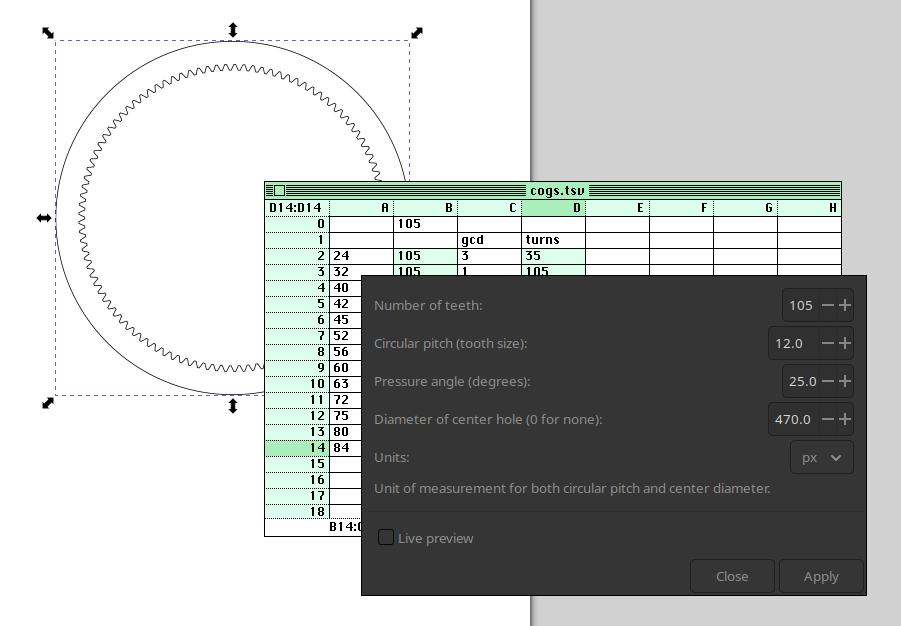
Alt...
The cog creation menu lets you set the number of teeth and their sizes.