Search results for tag #permacomputing
![[?]](https://cdn.masto.host/acp/accounts/avatars/000/029/158/original/e3ce51c11eb2a2c5.png)
@screwlisp hello hello
BASIC is such that many flavours, especially the 8-bit types that i deal with, do not require much porting.
i have digital archeological evidence of this, and i have experimented many times with porting BASIC from different flavours to others.
common lisp is also a good example of "bedrock computing" as @neauoire has coined the term.
i have a very interesting flight simulator type in which deals with 3 microcomputer BASICs at a time.
![[?]](https://assets.merveilles.town/accounts/avatars/000/000/005/original/45bd589b3400325e.jpg)
I dug out the speaker's notes from the presentation at the UVic Computer History Museum and turned them into a page in the #permacomputing portal on XXIIVV.
A bedrock computer is a small, complete and independently implementable core with a reproducible way to build it, a test suite that validates its behavior and a governance that permits anyone to carry it forward. Its survival does not depend on an original author remaining alive, interested, solvent, or in charge.
http://wiki.xxiivv.com/site/bedrock_computing.html
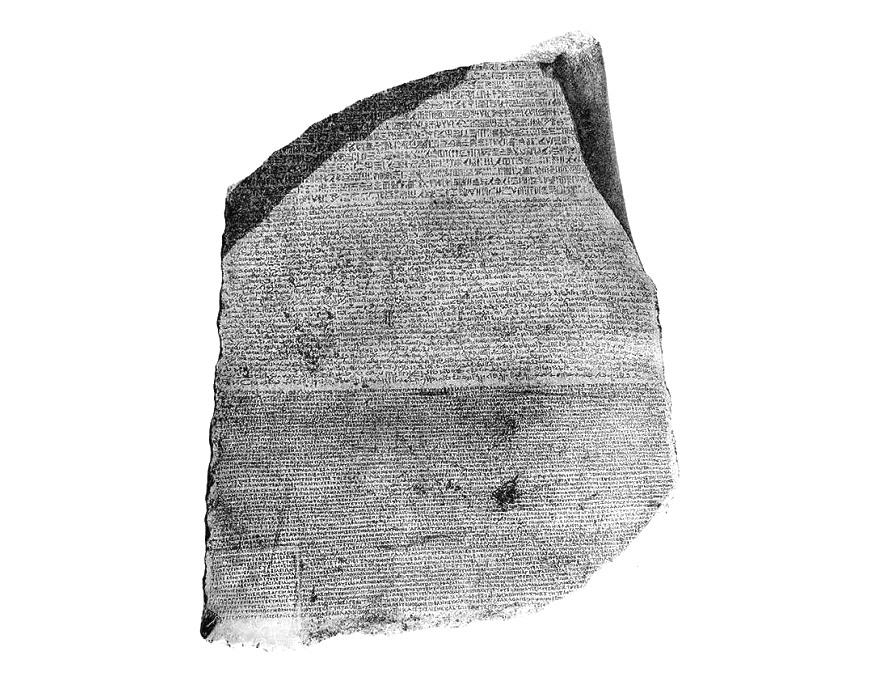
Alt...
The Rosetta Stone
![[?]](https://assets.merveilles.town/accounts/avatars/000/035/622/original/b81b4125841f7015.png)
https://ziglang.org/documentation/0.16.0/
> This HTML document depends on no external files, so you can use it offline.
#Zig community, I fucking love you. This is peak #permacomputing #documentation policy.
This is insane. Here's a compiler that compiles to x86 using only bytes in the ascii range. It's how we bootstrap uxntal, but this is taking it to a whole new level.
https://tom7.org/abc/paper.txt
https://tom7.org/abc/paper.pdf
#permacomputing
![[?]](https://static.toot.community/accounts/avatars/109/540/664/690/470/489/original/c4ae05bb7de947ad.jpg)
I ran photoshop on a £0.60 Raspberry pi pico processor emulating a 1980s Apple Mac. It inspired me to think about simple computers.
https://pointinthecloud.com/2026-08-19-144600.html
#retrocomputing #permacomputing

Alt...
A black and white computer screen showing a 1980s Macintosh computer desktop. A dialog showing "Adobe Photoshop v1" is visible, along with a crude drawing of a face, titled "Self portrait by Colin"