

- alarm,
- calendar,
- weather,
- calls/sms,
- notes,
- e-reader,
- maps,
- music,
- termux (the only sideloaded app).
- notes and calendar are local (no sync);
- wi-fi calling is not working with my operator;
- e-reader only supports .epub and .pdf (not .txt), doesn't scan the
ebooksdirectory where i rsynced my books to, had to copy them over usb; - music supports only .mp3, it sounds good with airpods, but was quite choppy over my car's bluetooth (could be an issue with the car, but other phones have never had this problem).
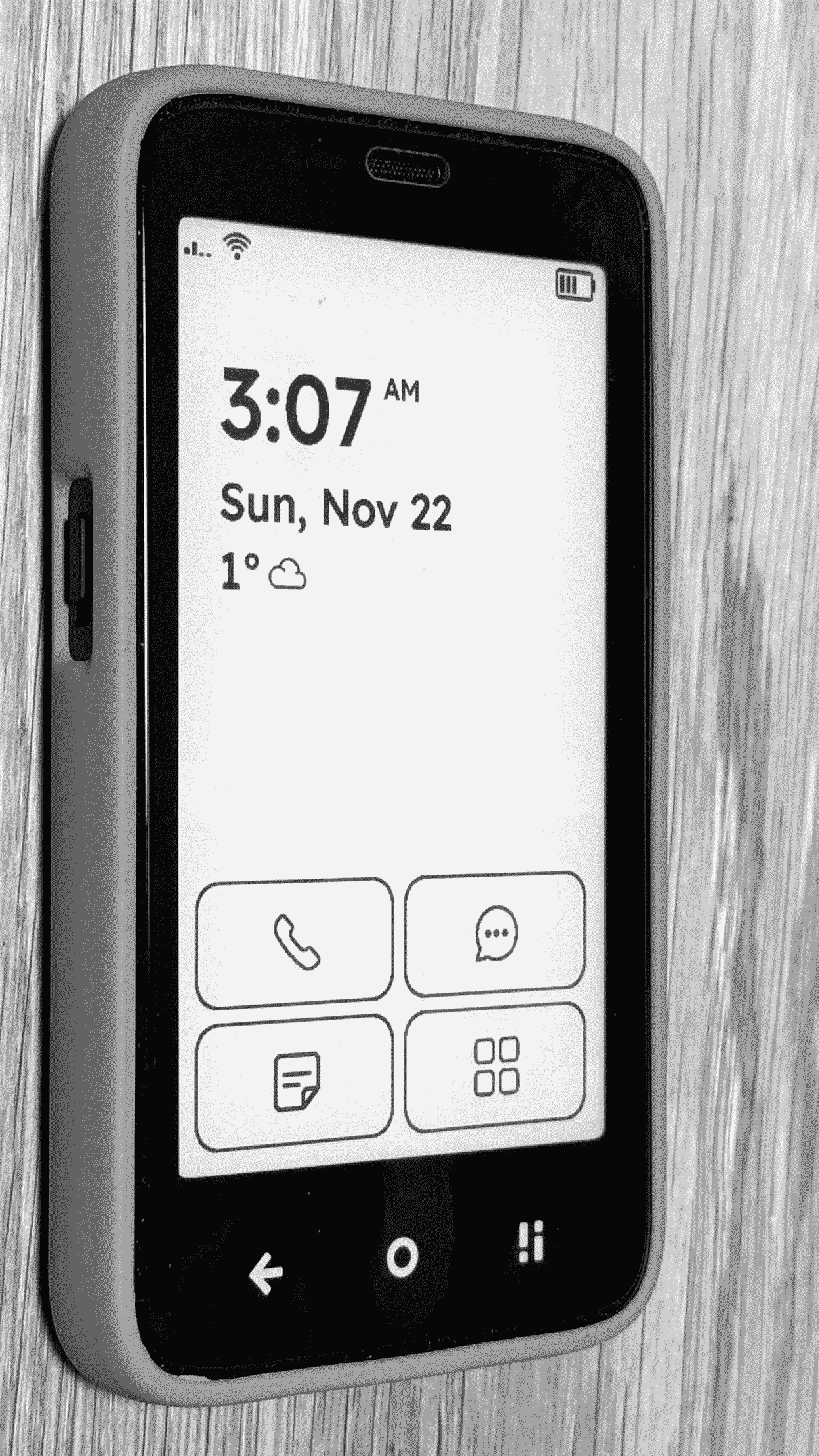
Alt...
a close-up photo of mudita kompakt
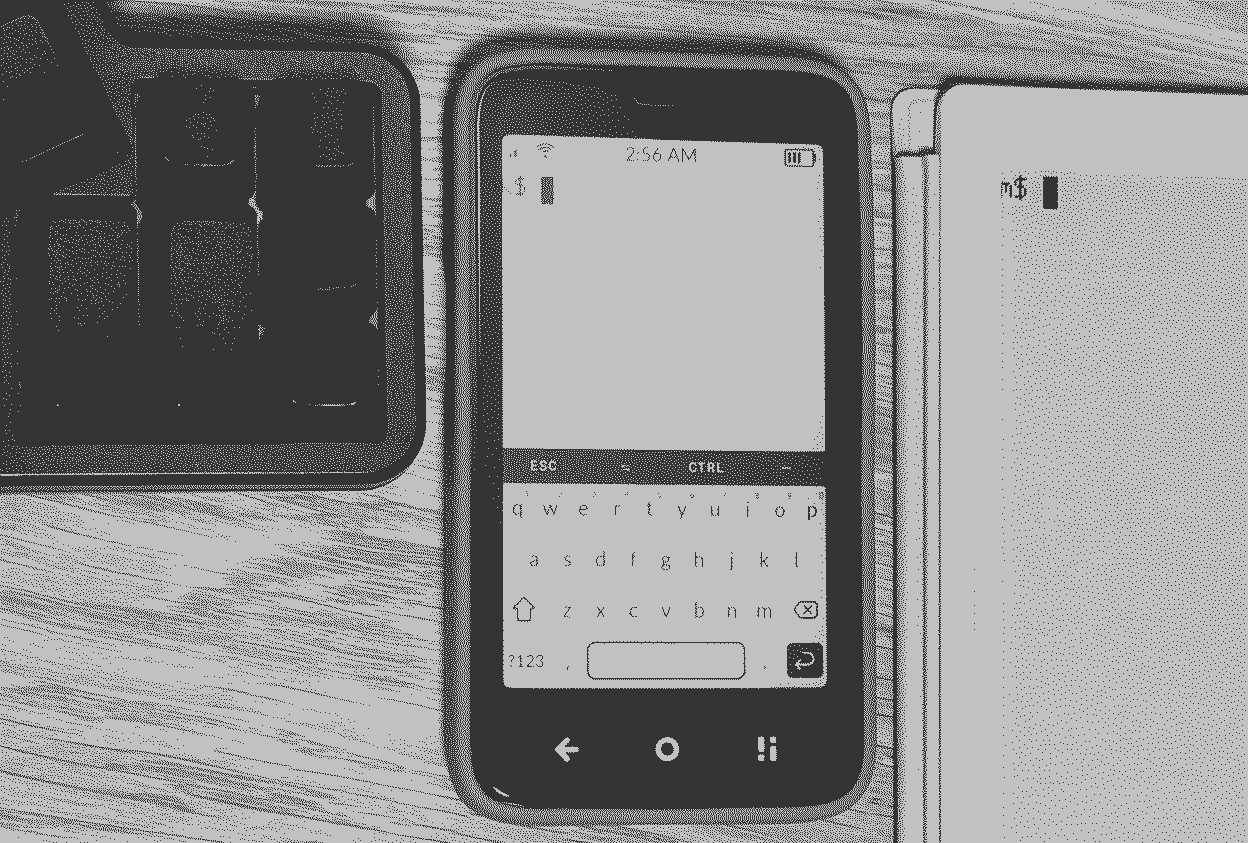
Alt...
a photo of mudita kompakt with ergodox and supernote manta (for scale)

We're visiting family this month where, given enough time sitting at a table, the choices we make are bound to turn up in conversations and be questioned. Something that we often find ourselves having to explain is how what looks like voluntary simplicity was less an intention than something that naturally followed from higher forces of our environment. That "degrowth" that people often think was a choice, really wasn't.
You can decide not to participate in the upgrade cycle, because you can't afford the extra clutter, or can't afford it literally. Then, there's the obvious degrowth by force when the power goes out or the internet goes down, software rugpulls and corporate capture. Suddenly, books and typewriters are a more dependable interface that doesn't need permission to work. It's that stuff that everyone confuses with nostalgia.
But what I'm thinking about is the most interesting kind of degrowth, the kind you don't notice happening at all. You aren't necessarily pursuing an ideology, you're just making your little corner of the world nicer, and along the way adjusting things in near imperceptible ways. A tidy desk, a pleasant interface, a comfortable tool, a few years later you end up somewhere that indicentally looks like degrowth.
If I make a tool more responsive so that I can spend a quiet evening reading, drawing, or making something with it, this is a very different relationship with technology than optimizing the technology for a specific metric. Our kind of degrowth felt natural to do, and it's why we did it.
...
Older...

@neauoire "It's that stuff that everyone confuses with nostalgia." This is interesting I think about this a lot. The way 'nostalgia' has become this lens to explain an interest in almost anything from the past. Like despite widespread acknowledgement of 'enshittification' on multiple fronts, reversion is still often seen as nostalgia, rather than a desire to escape the less-good present.
...
@neauoire use nostalgia as a permacomputing trojan horse psyop haha. "Hey, wouldn't it be nostalgic if we all left streaming services for local media? 80's vibes!"
...
@calutron yeah, it's almost never seen as a tactical solution to a problem, but you ask people who accidentally make permacomputing choices and it's never for the sake of nostalgia and always to fend of enshitification 🌻
...


@neauoire Jean Claude Jancovici sometimes speak of it in this way. When it’s a through a choice that we forego of something, we can call it “sobriété.” If we don’t it’s called “pauvreté”. The former is more positive despite the practical outcomes being very similar

I often find myself ascribing intention to my past actions when I attempt to justify them. But looking back at my journals, the main thing that led me here was just frustration and an inability to fit in.
I control my immediate environment because I lost control everywhere else. When tools, technologies, and brands continually changed under me and rejected my needs, I couldn't deal with it. I lost trust in them. So I embraced the old, even when it was falling apart. I became a scavenger and mender because I could not afford to hold on to things that changed and fell apart.
It's tempting to say I knew better. Mostly, I know better now only as a result of working with my traumas and anxieties until I began to see the roots of my obsessions. Still, I know so little. I do so much that I don't understand. I am instinctively defiant and contrary for no reason that I can say. At least those instincts serve me well in this context.


@neauoire Very much relate to all of this, especially the solutions that "are a more dependable interface that doesn't need permission to work. It's that stuff that everyone confuses with nostalgia." We were driven to reduction and simplification through poverty and lack of settlement but they became elemental to our resilience and happiness.

...
Older...

@GreyUnix I use all 3, but mostly OpenBSD for daily work. I have a server with FreeBSD + ZFS, a few smaller servers running NetBSD, and OpenBSD as my main development system.
...
@crc what services do you run on the servers ?
...
The persistent ones are:
FreeBSD: www/obhttpd, fossil scm, and an irc logging bot (written in Forth)
NetBSD: casket (httpd), atua (gopher), linjatoki (irc), and fossil scm
Other than fossil, the servers on NetBSD are my own, written in Forth.
Intermittently, I run an unnamed server for backing up & restoring ilo rom & block pairs, and a network proxy for gemini w/o TLS. These are run when needed. These are written in C.

@GreyUnix I've experimented with all three in the past month or so. What I ended up using on real hardware depended on what was most compatible, and that turned out to be OpenBSD. I opted for NetBSD on a VPS to run a web server recently as well.
...



see also
https://romanzolotarev.com/ssg/
p.s. i've been using it for several months now and am really happy with how stable it is for my use cases ❤️

Judging by a lot of recent comments on this web site, I feel like some of you could use an error dialog like this about now.
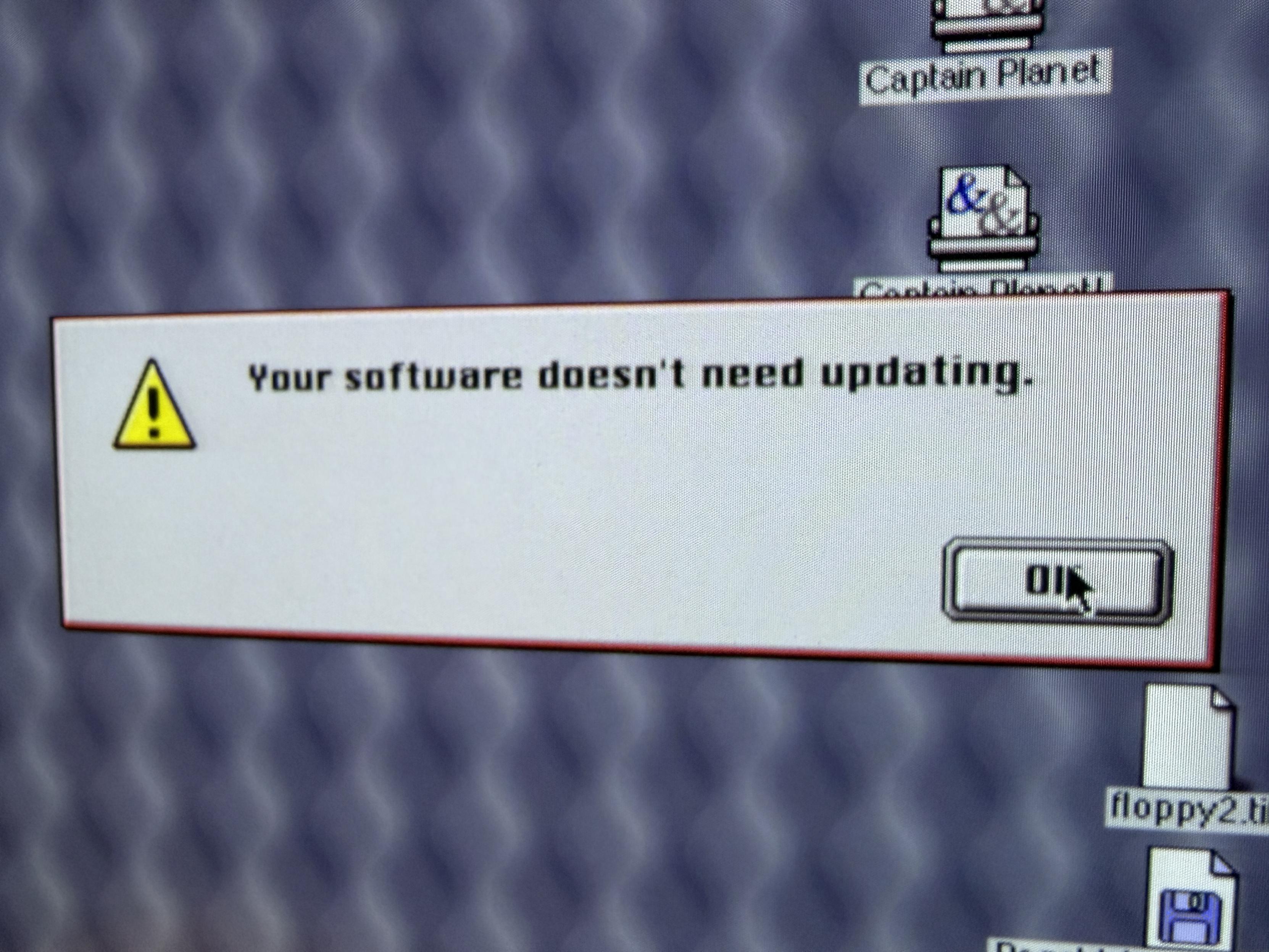
Alt...
An error box on an old Mac that says your software doesn’t need updating

In order to protect your privacy in Signal from the latest agentic AI assistants on mobile operating systems, we are rolling out a new default to restrict screenshots in the Signal app.
You can re-enable screenshots in your settings.

Usually have the USB cable attached to the controller on the left half of my homebrew split lily58, but the USB socket is dying after years of abuse. Open qmk firmware means I can set one flag and suddenly the keyboard expects to connected via the right half instead and I can expect many more years of working #keyboard
Sorry this isn't more of a glamour shot 
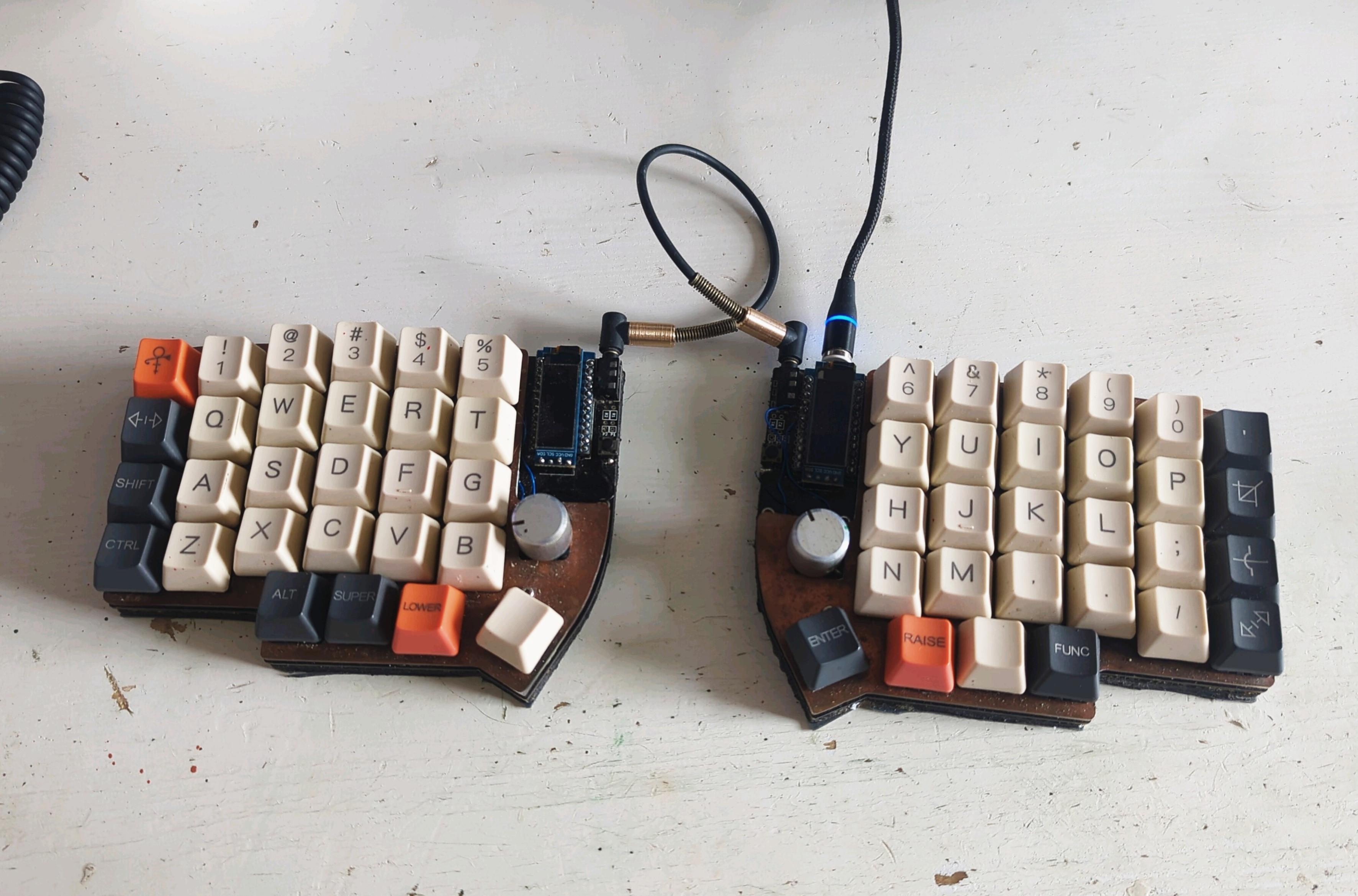
Alt...
A homemade split keyboard with a USB cable attached to the right half


 🇦🇺

Plural of "Unix"
| Unix: | 13 |
| Unices: | 54 |
| Unixes: | 34 |
| Unixen: | 6 |
| Other: | 5 |
Closed


We made a proof of concept RCS messaging app. It already has end-to-end encryption with MLS compatible with Google Messages and iOS, typing indicators, delivery/read receipts, reactions and media/file sharing. We'll use what was learned to integrate RCS into our Messaging app.


Bellinite's Pinhole x @d6's fixed-point library.
https://git.sr.ht/~rabbits/pinhole/tree/main/item/src/core.tal
#uxn



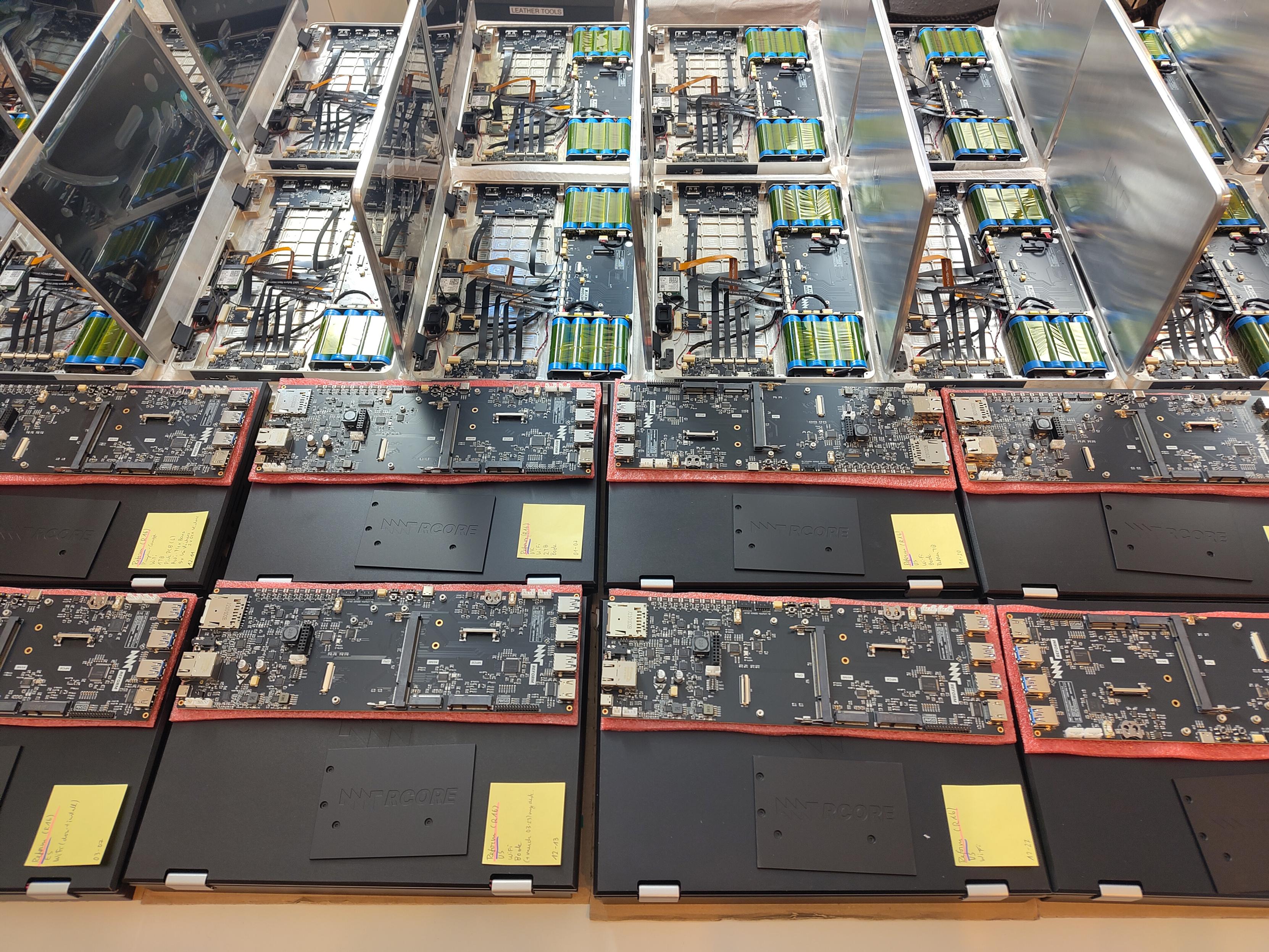
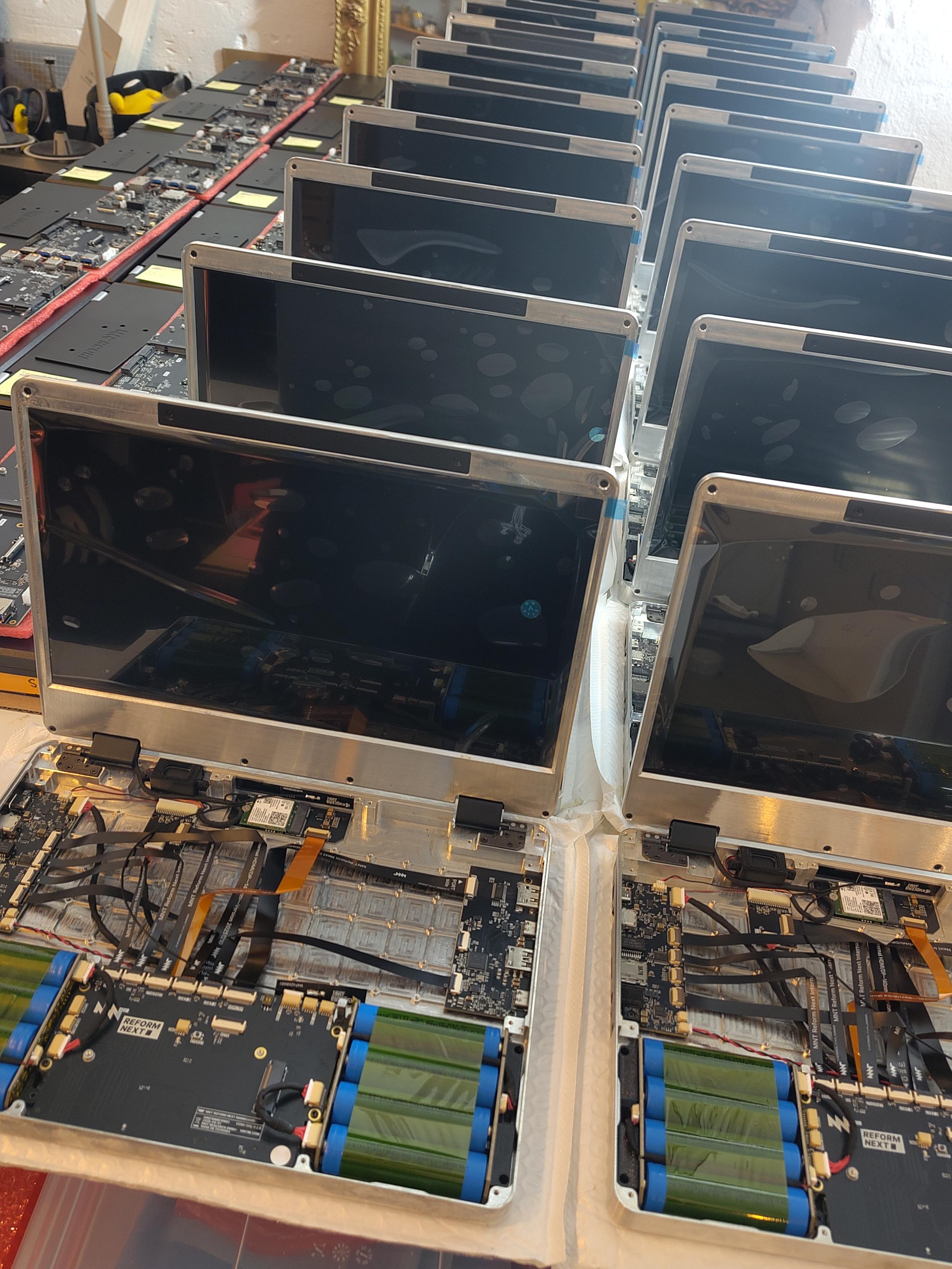
classic MNT Reforms for MNT Shop orders and "raw aluminum" edition MNT Hyper Reform Nexts for Crowd Supply backers on the same assembly table
Alt...
2 rows of half assembled, open laptops behind 2 rows of closed laptops with mainboards and post-its on them
Alt...
same scene but photographed from a frontal angle with the half open MNT Reform Nexts in front, exposing complicated cabling inside
...
Older...


...

@mntmn will the mnt hyper refork also be available in the future? currently to broke to get one, but i want one 😍

@mntmn That is very welcome positive news to this otherwise not great day I have. I think I spotted my unit there :) Sweet.


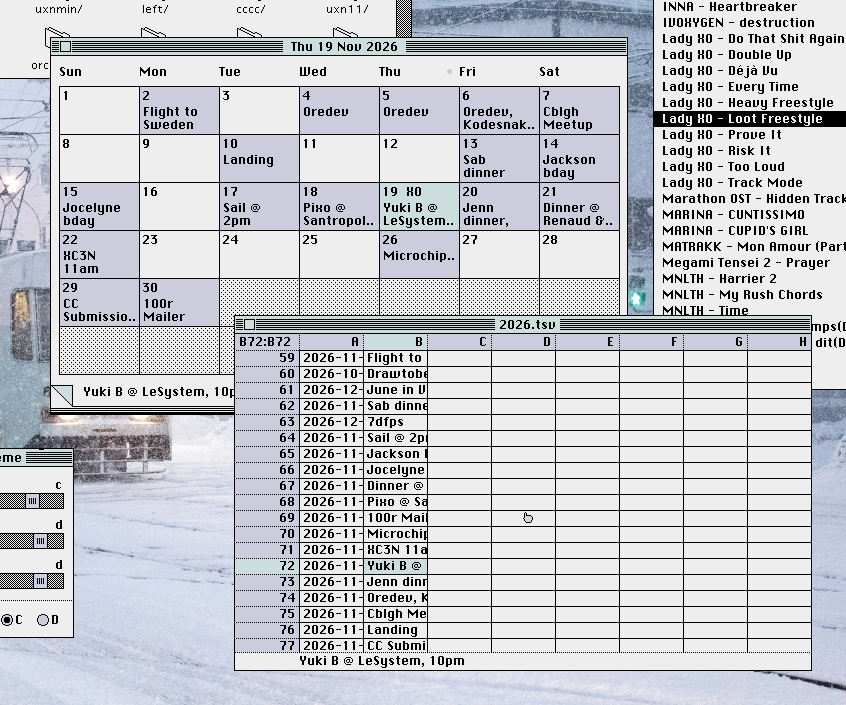
All the events in my calendar are stored in a tsv file, the idea was that I could version/edit events in it with a normal text editor or a spreadsheet editor.
https://wiki.xxiivv.com/site/calendar
Alt...
A spreadsheet showing the events in a calendar.
...


@neauoire Watching you do things added some well-needed confidence to do things myself to my life. Kudos for being inspiring, to me at least

Syspatch all the things!
We have scheduled another maintenance window to reboot all the hosts.
2026-11-22 @ 08:00 - 10:00 UTC

Alt...
All the Things, sometimes known as X all the Y, is a snowclone and exploitable cartoon used to make a hyperbolic statement about performing an action. The person in the original comic panel is often manipulated to appear as a different character.
This one has:
Syspatch
All the things!
...



Is there such a thing?
- Web server
- Memory safe (and not built atop a pile of non-memory safe code E.g. node or Python)
- Native binary
- Not a kitchen sink: only need HTTP (v 1.x is fine, maybe v2) TLS, static file serving, and reverse proxying
- Production grade & at least some efforts gone into securing it (sandboxing, efforts to avoid path traversal, things like that)
- Not developed with LLMs
Edit: Thanks for all the replies. I think I will go with Caddy.
...
Older...

@wezm it’s a young project but maybe this would be promising enough.
...
@victor :(

Alt...
Contributors (2)
- Person
- Claude
...
@wezm omfg 🙄 just when I thought I felt safe lol.
...
@wezm assuming Caddy has AI contributions now which is why you’re asking to begin with.


@wezm https://github.com/emmett-framework/granian might fit that criteria
...
@command_tab seems focussed on hosting Python applications? Whereas I need to host static sites and proxy to some other small HTTP talking applications.

...
@tubsta Not interested in changing OS—happy with Chimera and Alpine Linux. httpd and relayd fail the memory safety point. E.g. httpd has had memory-safety bugs in the past https://www.openbsd.org/errata77.html#:~:text=019%3A%20SECURITY%20FIX https://www.openbsd.org/errata78.html#:~:text=013%3A%20SECURITY%20FIX

...
and I'd posit that "doesn't do a whole lot" is a *selling point*, not an issue. It serves files and it hands off to FastCGI processes. That's about it. If you want cert management, use external tools like acme-client. If you want reverse-proxying, use external tools like relayd. I *like* that it just does what it needs. 🙂
...
@chazh I'm aware of it, but I don't want to use OpenBSD, and it fails the memory safety point. E.g https://www.openbsd.org/errata77.html#:~:text=019%3A%20SECURITY%20FIX https://www.openbsd.org/errata78.html#:~:text=013%3A%20SECURITY%20FIX

@wezm it's brand new but anville might fit the bill <https://snug.moe/notes/asrg0yx2t2xu0uz2>
...
@zwol I did find that in my searching. It ticks some boxes but I'm not sure if anything has been done around sandboxing and security auditing to avoid common mistakes.

@wezm I might suggest Caddy as the closest match (Go)
...
@chrism It's close. I don't know that they do any sandboxing, and it does have a bit of kitchen sink feel to me.
...
@wezm i've used it with success in production, although for that project, it became more indispensable than it might be for other folks due to its API to adjust its settings at runtime.

@wezm sounds like a gap in the market.
...
@ash 😬️ I have too many unfinished projects already—including one that _is_ a web server, but it's not really designed for this use case. Would be nice though.

@wezm
I made for myself https://codeberg.org/tglman/vacuna on exact that usecases
...

@wezm @dexter I am regrettably not super aware of what’s already been packaged up for easy use. But it’s quite easy to build something minimal like that using Axum (a Rust crate). Neither it nor hyper have any significant amount of LLM code, are very carefully designed, and have seen many years of production use.
I unfortunately suspect many of the newer packaged “complete servers” are vibe coded but the foundation here is rock solid.
...
@ianthetechie @dexter I have built several things with axum and hyper over the years. The first 80% is pretty easy, but getting a generic web server & proxy properly ready for production use is where the second 80% comes in. I've not found any projects built on these that are seriously attempting that (aside from genAI ones).
...
@wezm @dexter Yeah, same :/ I deploy a lot of bespoke stuff but it's not generic. It's mostly using client certs, or deployed behind other infra like internal kubernetes, which itself sits behind some sort of load balancer / reverse proxy (e.g. haproxy, sadly not mem safe, but historically good), so you'd need multiple layers of compromise to cause real trouble, and the Rust services themselves are pretty hardened by design against malicious inputs...

@wezm @ianthetechie @dexter Have you considered separating the concerns? Using Axum to build small per-usecase webservers and then using perhaps Pingora for a similarly purpose-built reverse proxy?
...
@laund Interesting idea. I'll give it some thought. I'm partly doing that already, most of my static sites currently hosted by nginx are behind varnish. Web things I build are almost all little Rust applications behind varnish too. One server is running nginx directly facing the internet though.

@wezm you might also like https://codeberg.org/cliffle/httpd2/ -- it's rather aggressively simplified for robustness, but if it meets your needs it's really light on resources.
Edit: hmmm... Reverse proxying I haven't thought about. I should look.
...
@cliffle oh yes I had seen this before when you mentioned it previously, but I had forgotten. So great to see a security section right there on the README with the first item being "chroot and drop privileges". It ticks many boxes, but might not quite be there for my use cases.
...
@wezm well I'd be curious to hear what you wind up needing!
...
@cliffle the things I can see now are:
- proxying (I can probably work around that one though)
- URL rewrites/redirects so old URLs I once had don't break
- On some of my sites I set headers when accessed over HTTP so that modern browsers end up using HTTPS, but old/retro computers aren't redirected and can use HTTP. Based on this blog post https://scotthelme.co.uk/we-dont-do-https-for-backwards-compatibility/

@wezm I was about to look into https://codeberg.org/sugar700/anville ; maybe its helpful?
Lighttpd also seems halfway there…

Hi @wezm
#lighttpd[1] (C, sorry) hasn't failed me (AFAIK) in 20 years.
[1]: https://pkgs.alpinelinux.org/package/v3.24/main/x86_64/lighttpd
...
@mro ahh yeah it doesn't have a great memory safety track record https://feedly.com/cve/vendors/lighttpd
...

@wezm if not built atop a pile of non-memory safe code includes the language runtime, should it include the libc and kernel? firmware? maybe drawing the line where you did is a good balance of comprehensive vs attainable, only it feels a bit arbitrary
...
@simon sure it's arbitrary. I was mostly thinking about how much memory unsafe code is contained in the running process of the webserver. Something implemented in node has all of V8. Something in Go or Rust has much less. The libc and kernel are a common denominator, so I'm not counting those.


@wezm I wrote https://github.com/abhin4v/hastatic years ago. It comes close to what you want, except it is geared towards being used in a Docker container and relies on Docker for some security aspects.

I have a lot of undergrad students doing projects with me, too many in fact, but the plus side is that most of the projects are very interesting.
One of them is putting Uxn on the Arm MPS2 FPGA prototyping board (from 2018), but without using any of Arm's proprietary tools or libraries. He's using Zephyr OS instead. The board is in principle supported, but in practice, there was no screen support, no sd-card support, no uart support, even the buttons didn't work, so he has his work cut out.

Alt...
A circuit board with lots of chips, the main one a larger Altera Cyclone, and lots of connectors. It also has a touch screen which in the picture shows a test image.
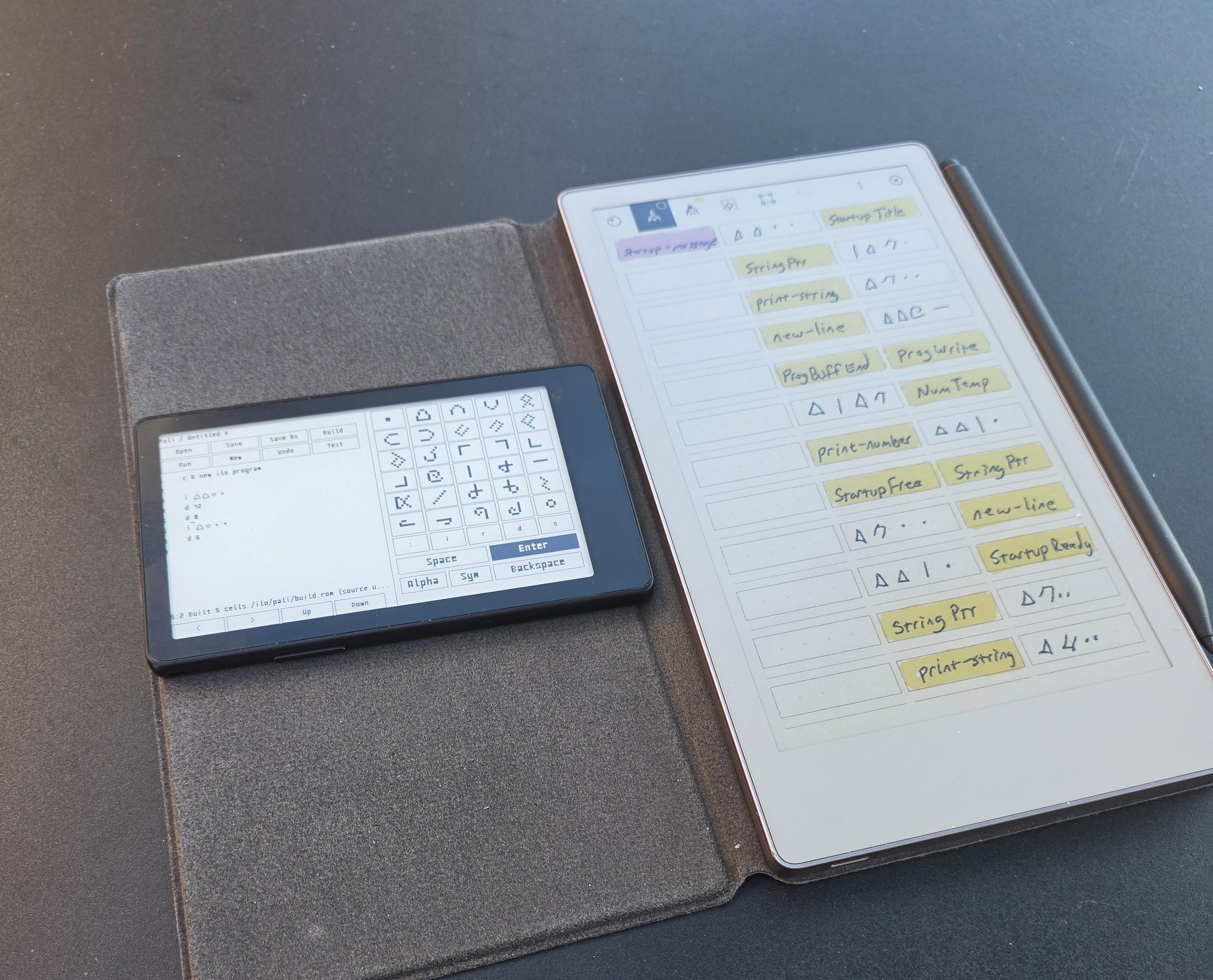
Time for coffee and coding. I'm sitting outside a local coffe shop as I work since it's a beautiful day.
Alt...
Testing an assembler on the xreink x4 pro while also looking at a handwritten page.
...
@crc I just wanna say, I've been feeling like the personal computing space has been a bust lately, there was a period when I watched the local-first/HCI folks all choke on researching personally crafted interfaces, but every single time I see pictures of your projects, it fills me with hope, it's beautiful, it's smart, it's just delightful computing and I love to see. Thank you for all your work and documenting it, it's hella inspiring 🌻


Everyone seems to use multiple displays in their daily work setup so I finally tried it and I guess I can see the appeal
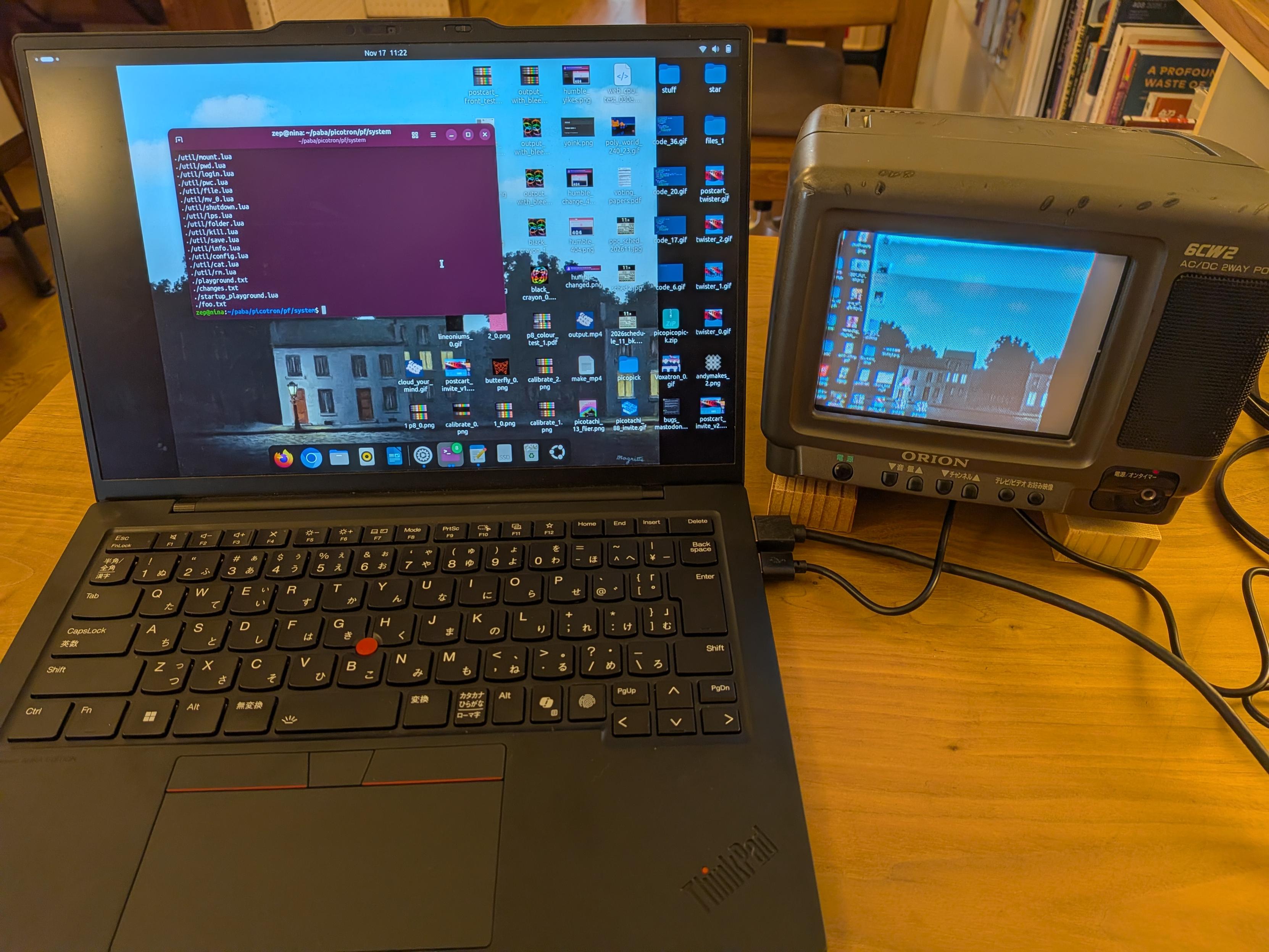
...
Older...

@zep Run your cheek against it and relive that static cling you felt as a kid? Or is it just me...
...


@zep dang it I want one tooooo
...
@Ronflaix next time you're in Japan, just keep buying random crt monitors via mercari until one shows up that is not shattered.
👍
...
@zep If I buy one more CRT monitor like that everyone in my entourage is going to be concerned but thanks a ton for the tip! x)
...
@Ronflaix to answer your edit, I'm just using an hdmi RCA adapter
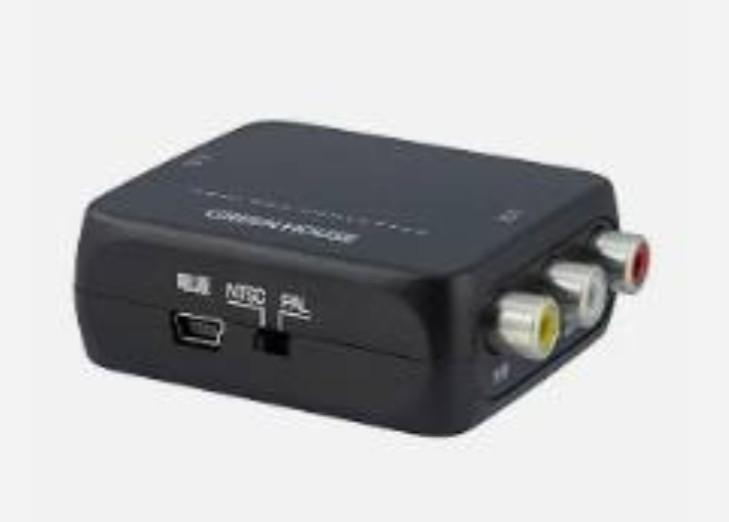
...
@zep Oh, this kind of adapter? How's the signal working out? I guess by the amount of p8 color calibration screenshots, you're fighting with that, right?
...
@Ronflaix the colours do blow out easily but I actually don't mind that for pico-8! The calibration tests are for printing (which has the opposite problem)
...


 [


@zep it's really handy to have that extra screen real estate for development.
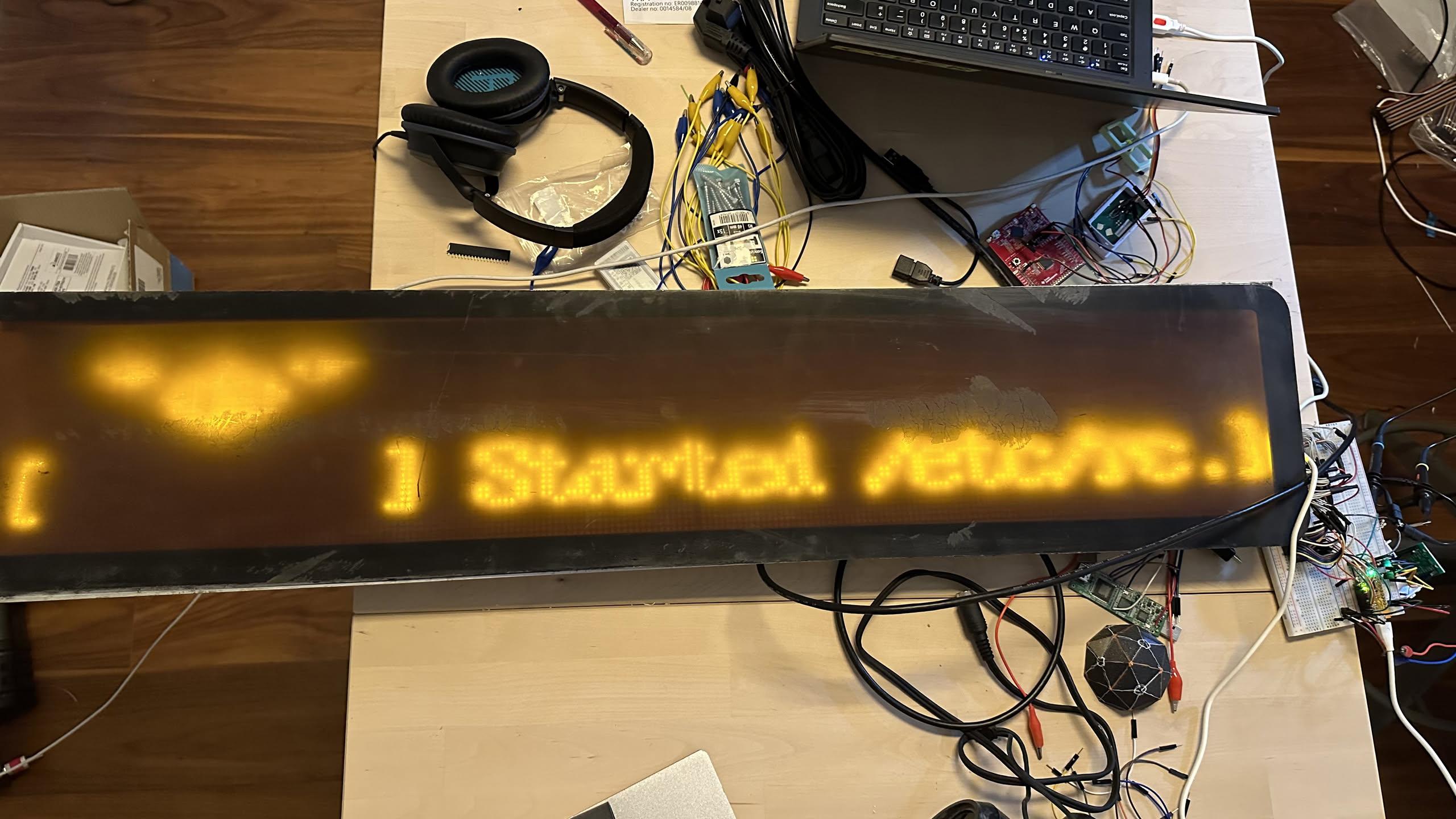
Alt...
LED matrix displaying the Raspberry Pi startup screen. systemd is reporting that it started /etc/rc.local

@zep that's very cute! now put picotron on one screen and p8 on the other, that's what people call dualbooting i think
also interested in the adaptor you mentioned - would you possibly know of the reverse?




well, almost. when the manta acts as a usb host, it can't charge its battery :(
why a mouse? i was just curious. i'll probably never use a web browser on manta since it's too slow, but it's quite usable with a mouse.
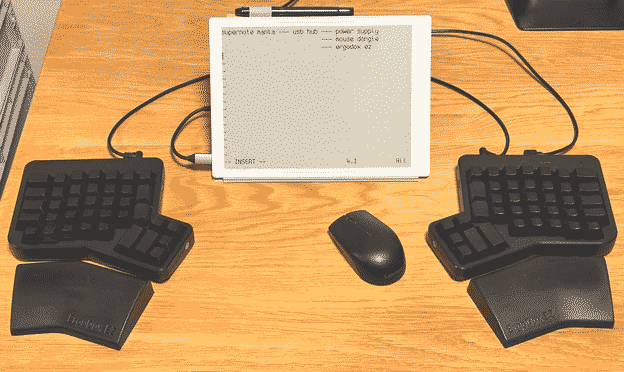
Alt...
a photo of a supernote manta, an ergodox ez keyboard, a mouse, and a usb hub, all laid flat on a desk, with all cables and connections clearly visible
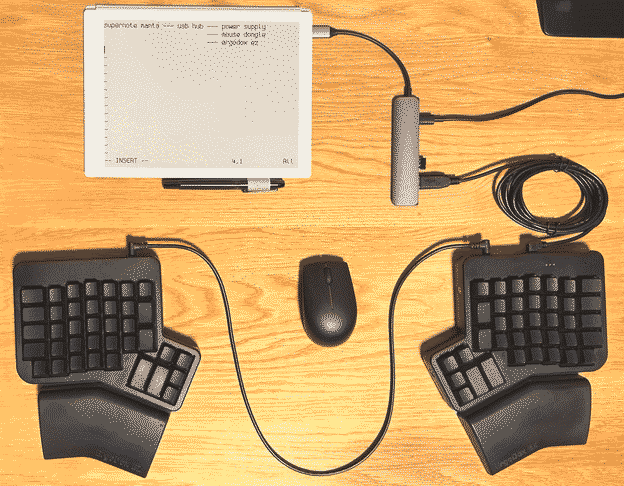
Alt...
a photo of the manta, ergodox, and mouse. my actual setup
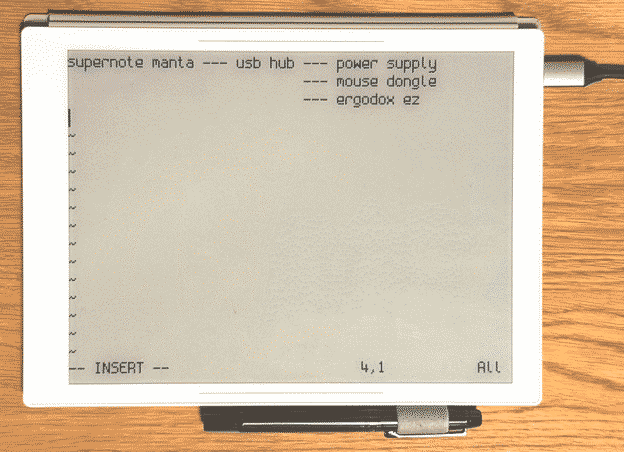
Alt...
a close-up photo of the manta’s display with a text file open in vi(1)
...

@hi does it runs a linux of some kind like the kindles?
...
...
@hi so it is android then.
...


Pinned post:
- Yes, you can run your own mail server on a cheap VPS (Virtual Private Server)
- Yes, it's cheap. €5/month for a VPS and €10/year for your own domain, if you take a .eu
- Yes, you should configure SPF, DKIM, DMARC
- Yes, with that in place Google, Microsoft and other big providers will accept your emails
- Yes, you can manage incoming spam in effective and automated ways
- Yes, all Open Source.
- No, it doesn't need a lot of admin work, 5 min/day
1/2
...
Older...

- Yes, you might get caught up in a block list due to the behaviour of other VPS on IPs 'near' to yours.
1. Outlook blindly use Spamhaus DNSBL to straight up block senders.
2. OVH are apparently not good enough at dealing with bad actors for Spamhaus's liking.
3. So Spamhaus block an entire IPv6 /48, with no white listing of known good actors.
I don't think using only IPv4 is any guarantee of not running into this problem.
So, be careful about your choice of VPS provider.
...
@AthanSpod Weird. I can send and receive mails from/to Microsoft on both IPv4 and IPv6 from my OVH server.
...
@jwildeboer You must have lucked out with not being in *that* /48.
I opened a ticket with Spamhaus about it, and that was their response "too much spam from that /48, not enough action from OVH, so we block it all".
Due to Outlook hosted domains the only option I had was to go IPv4 only for outbound.
...
Yeah, I have my mailserver (currently) on a OVH instance and while it's usually pretty uneventful¹, occasionally some provider will just opt to reject my mail outright, despite not being on any RBLs.
⸻
¹ the "5min/day" feels generous. I think I spend maybe 5min/month at best in maintenance, usually just skimming/deleting my system cron messages re. cert-renewals or OS patches and upgrade logs.
...
@gumnos I run some shell scripts daily to collect IP addresses that behave in abusive ways [1]. These scripts generate emails that I like to read in the morning to spot patterns before I add them to my firewall. Sure, I could automate that, but I like to stay aware of what is happening on my mail server :) @AthanSpod
[1] https://codeberg.org/jwildeboer/gists/src/branch/main/2023/20230422LogCheck.md
@AthanSpod I plan to move my mailserver to netcup midterm. Mainly because I don't like all those emails I get from OVH every month telling me about each step they take to bill me for my little VPS ;)

@jwildeboer 5min/day for doing what? I'm interested
...
@spaziale I have a few scripts that check the mailserver logs for typical abuse patterns (mass login attempts with password guessing or spam senders) and add them to the firewall. The few spam mails that somehow make it get reported to Spamcop or I send emails to the abuse address of the sending domain/network. All during my first cup of coffee in the morning.
...

@jwildeboer @spaziale for mass login i've setup fail2ban, needs a litte attention sometimes after a dist-upgrade but helps alot with webmail/smtp and imap login flooding.
Wrong username? Your ip gets banned after the second try. For passwords its after 20 attemps. It gets bots but keeps human false positive to a minimum. Yes this is a bleichenbacher like weakness, but thats not a goal to aim for at that level.
...
I've also found that, by doing the detection/blocking at the firewall level, it blocks a broader base of attacks. If they've been hammering for wp-config.php or something on my non-WordPress blog site, they're up to no good, and if they then try connecting to my SSH or mail ports, I'm happy to let pf(4) get packet-droppy on any traffic from the offender too.

@jwildeboer the cheaper the vpns, the higher the chance you get a sender ip that is already included in a ton of blacklists (says my personal experience from like 5 years ago where i tried hetzner, ovh and a local freebie and all 3 servers came with spamhaus entry included)
...
@cy That was 5 years ago. My mailserver is running at OVH and has never been blocklisted in the past 10 years. Blocklists mostly affect IPv4 addresses, but for IPv6 they stopped making sense anyway. My mailserver happily sends and receives with both IPv4 and IPv6.
...


@jwildeboer
I ran a mail server from home for years, and it was relitively easy.
But I never setup IPV6, is it a pain?
@cy
...
@greenpete @jwildeboer @cy nope.
...

@bws @greenpete @jwildeboer @cy Well, maybe…
...
@erik I am truly sorry, but 30(!) years after the introduction of IPv6 it shouldn't really be a problem to add an IPv6 address and a reverse lookup in DNS for a VPS. https://mricher.fr/post/ipv6-the-summary/ is a good starting point, followed by https://gist.github.com/timothyham/dd003dbad5614b425a8325ec820fd785 @bws @greenpete @cy
...
@jwildeboer @bws @greenpete @cy Agree 100%.
It gets fuzzy when you start dealing with IPv6 on most “residential“ systems, and even many hosted environments where you don’t have control over the reverse lookup domains. But it shouldn’t be this way.
IPv6 *should* be easier
...
@erik But that's a general rule. If you don't have control over the reverse lookup, you cannot use that machine for running a mail server. Having that control is an absolute requirement. @bws @greenpete @cy

@jwildeboer I have SPF, DKIM and DMARC and all the other things and my mails still get auto delivered to the spam folder on outlook.com probably because of my domain. Self hosting can be a pain so fast. We had our mail server on spam lists because computers were hacked at my uni. I wouldn't recommend that to anyone especially if you depend on it. I wouldn't recommend O365 either but for companies mail is often as critical or more than telephones. I'd rather go with a trusted provider.

@jwildeboer in Openbsd ? Is the same?
...
@wachin There will be some differences, but the stack I use (postfix+dovecot) should work in similar ways on *BSD too.
My mail-server runs OpenBSD with stock OpenSMTPD (and Dovecot for IMAP/S) and it's pretty uneventful. There's a pretty good guide here:
https://bsd-audit.com/self-hosting/running-your-own-mailserver/
though I just use local maildir delivery rather than do any spam-filtering or other stuff which makes the Dovecot configuration less involved.

@jwildeboer
While I certainly can host my own email server and have done it in the past I can just not be bothered by it .
Especially to not get added to spamboxes for no reason on my company email (😡MS & Google).
So I pay mailbox.org (German) to take care of that
@jwildeboer Yes. Mails remain central and worth the effort hosting. Stalwart deserves a look: a modern, well thought and integrated solution


@jwildeboer Thank you for this (and for the blog series). It encouraged me to try hosting my own server back in the day when you first published it, and I never want to go back.
I guess there are quite a few capable folks out there who just shy away from the unknown (especially here on the fediverse), and your blog series addresses that. I hope they find the same inspiration I did.
...
@thilo That just made my day :) That's what I was hoping for when I decided to sit down, modernise my mail server and took notes of each and every step. These notes became the basis for the blog post series, because I thought "Well, it isn't simple, but it also isn't impossible. There must be some folks out there who just need a bit of encouragement to also try." :)
(and get your popcorn for the expected barrage of replies with counter arguments, trying to tell you that you shouldn't even think about owning your infrastructure ;)
My mailserver is running since 15+ years. So yes, I have a lot of experience and knowledge and I know what I am talking about. I am happy to share all my knowledge on this. On my blog at https://jan.wildeboer.net/2022/08/Email-0-The-Journey-2022/ and here, as long as you ask nicely :)
And do note: I say you CAN run your own mailserver. I don't say you MUST!
2/2
...
ADDENDUM: Quite some replies are wondering about the 5 minutes of admin work per day I mentioned. To be clear: I *chose* to do that. Everything I do in these 5 minutes can be fully automated. I just like to get a feeling for what is happening and that's why I have some shell scripts [1] that collect infos from the log files that I receive as email. They tell me about IP addresses that try to flood my server with spam or password requests. That's all :)
[1] https://codeberg.org/jwildeboer/gists/src/branch/main/2023/20230422LogCheck.md
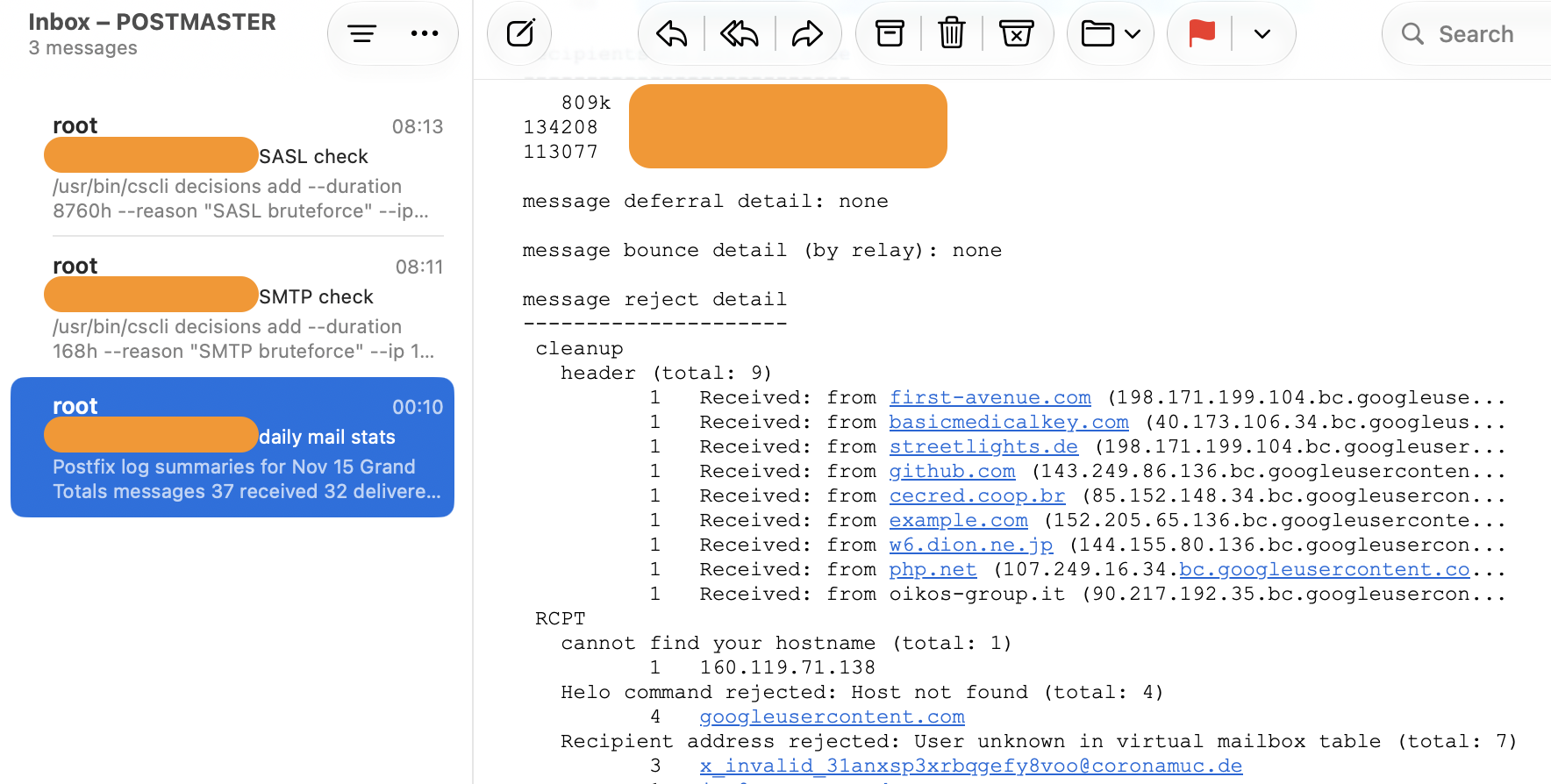
Alt...
These are the three emails I get every morning. This screenshot shows the output of the Postfix log summary tool pflogsumm that tells me about rejected mails and the reasons for rejection. This is more of a FYI, no action needed.
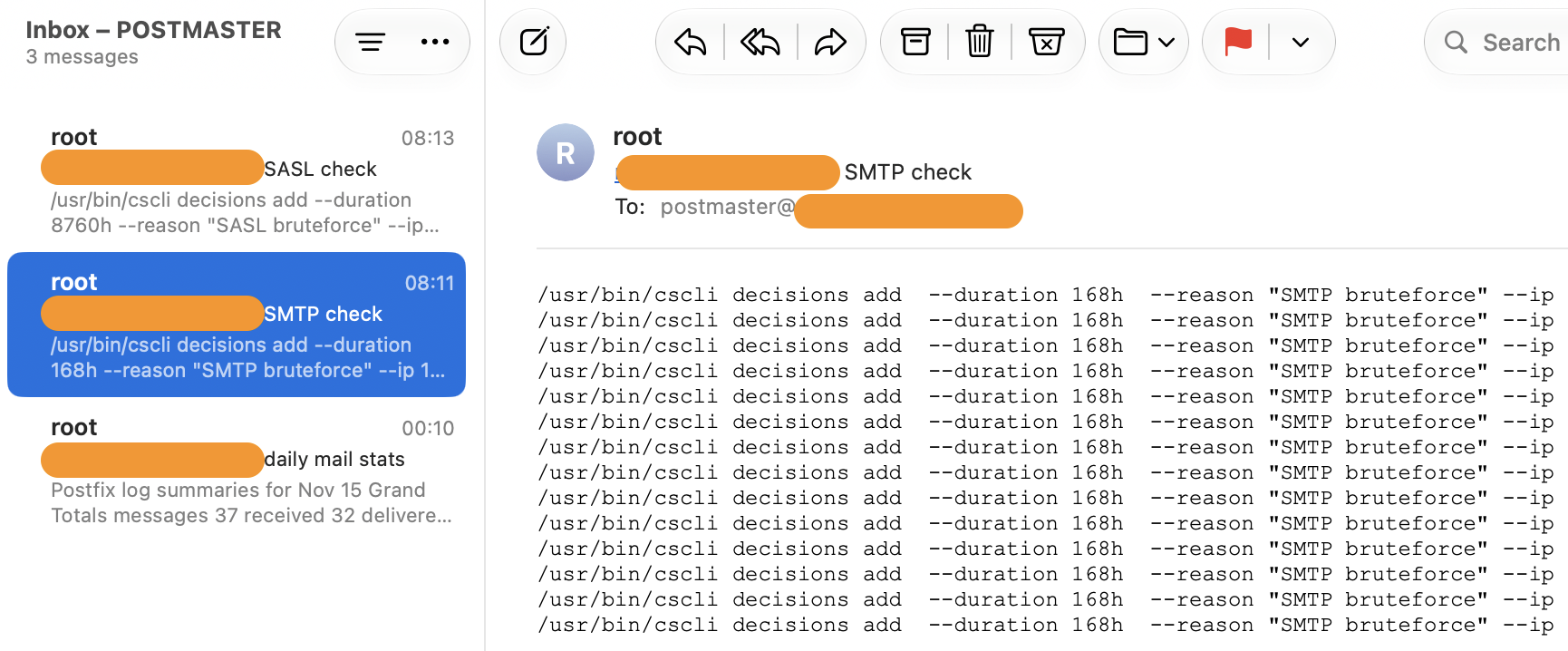
Alt...
This is the output of one of my shell scripts. These are IP addresses that tried to drop spam but got rejected for some reason (typically because the IP address had no reverse lookup configured). The mail contains commands to block these IPs on my firewall that I copy and paste into a terminal session on the mail server.
...

@jwildeboer it all works as long as you don’t have users that get their account hacked and start sending spam. After that you’ll be blacklisted forever by big tech. (don’t ask me how I know)

 👾
@jwildeboer Understand that totally. Run suricata and and IDS and tend my firewall every day to keep abreast of the internet weather. People assure me it is a waste of time and I should live with the garbage attacks on my servers but I think bad things need pushback.
Older...

@jwildeboer Ich betreibe für Freunde einen kleinen Mailserver. Den habe ich am Wochenende gerade auf einen anderen Server umgezogen. Das war das erste Mal seit langem, dass ich die Konfiguration Schritt für Schritt durchgegangen bin. Es gab auch einiges anzupassen. 😉
Insofern ist dein 5-Minuten-Ansatz wohl der bessere.
Die Artikelserie ist echt ein guter Überblick. Vielleicht motiviert mich das, es dir gleich zu tun und meine zu beschreiben. 😏

@jwildeboer largely with that analysis, but from my own experience, managing incoming spam to acceptable levels is a challenge. If you have any good pointers to advice that goes beyond "just use spamassassin/rspamd" and isn't "have millions of customers and do some machine learning thing", I'd be interested.

@jwildeboer I run my own mailserver for a few (10?) years now and because 99 out of 100 weeks all I do is dist update + systemctl restart, I am very much unknowlegable about running it and need to read the documentation everytime I touch the config ...

@jwildeboer
It's not shameless self-plugging if I mention 'Run your own maliserver' by @mwl …
...
@ArnimRanthoron It is the third time in the replies under my post ;) @mwl
...


I'm so sorry! I'm glad people like and recommend my book, but sometimes this happens…
...
@mwl Hahaha! No problem at all! Seems you have a lot of fans and we both want the same — more mail servers run by more people. So let's help them in all the ways we can :) @ArnimRanthoron
...

@jwildeboer @mwl @ArnimRanthoron
I've been running my own mail server since 1986, and even I found the @mwl book a useful reference...
I now have yet another resource to check out.

@jwildeboer This "nobody can run their own mail servers anymore" narrative that we keep hearing nowadays reminds me of how in the nineties, folks started blindly repeating "nobody can fix cars by themselves anymore" when the first electronic control systems started showing up in vehicles. Which is just bollocks - especially with OBD2, the weekend mechanic never had better diagnostics on their car!
Yes, it requires certain equipment and you'll need to update your skills from what you learned decades ago, but that's the case with anything really. And in my experience, many of the complainers didn't actually have the skills to begin with.

@jwildeboer thank you for the post. Caused me to register a new domain as a step to getting off Gmail.
FWIW there's a small type on the postfix page:
s/chnages are mostly identical/changes are mostly identical/
...

@jwildeboer 5min/day is much too much for most no-tech people with busy schedules.
...

I've been running my own since 1994. I spend maybe 10min/quarter.
My stack: Flux, Kubernetes (kind is sufficient), postfix, Cyrus imap, rspamd, redis (optional). Flux tracks an upstream helm chart and auto-updates. I have a CronJob that scrapes Learn/Spam and Learn/Ham folders to train the baysian qualifier.
It doesn't have to be expensive (hardware or time).
...
@JoeJulian Thus, it is something you would recommend to somebody not working in a tech job without a history in tech or knowledge far above user-level?
@jwildeboer
...
Okay, no answer is also an answer.
I'm quite ... surprised, in an extremely negative way, that a job that was once among the highest skilled and highest-paid system administration jobs – mail server administration – is now considered something people should just do on the side. That none of you, especially @iscarlosmolero considered for a second, that this is only something that will take you a few minutes, because of the DECADES of experience you have.
...

@Mela also surprised here, I'm a professional nerd and self-host a couple things in my home network, but would never want to deal with the stress of exposing any of them to the public without a VPN.
Recommending it to laypeople looks like a very unusual approach indeed
@JoeJulian @jwildeboer @iscarlosmolero
...
@patrislav I do wonder why y’all think that way. I don’t say everyone witn an internet connection should run a mail server. The article series I link to makes it very explicit that it is not a simple install and forget thing. But I am definitely also saying that it isn’t black magic reserved for the few that know. I think it’s important to motivate more people to learn about this. Even if to decide it's too much for them right now :) @Mela @JoeJulian @iscarlosmolero

@jwildeboer 5 eu/month is a lot of money for folks outside of Eu/USD/similar currencies. Are the cheaper (black Friday sales are near) options gonna work for mail servers, or is ipv4 reputation gonna be a problem for such providers?
...
@ni_nad I'd say any VPS with IPv4 and IPv6 should do for the basic setup I use. My mailserver runs on a VPS with 1 CPU, 1 GB of RAM and 40GB of storage.
...
@jwildeboer thanks! I have a deal I snagged last year from low end talk that I hope to renew (2.5 eu/month). Will play with mail on it, been a while since I poked smtp and friends

@jwildeboer how do you (and other self-hosters) deal with the spam? For me, that's always been the PITA.
I have a grandfathered Google workspace account that's been getting more and more expensive - and it's literally only there for email (I originally set it up to have my own domain, backed by Gmail)
...
@draeath What works surprisingly well is to simple check if a connecting sender has their reverse lookup in DNS set up correctly. Most spambots don't :)
...

@jwildeboer Agreed, a 100%. This is how I do it: https://www.davd.io/posts/2026-10-27-definitive-selfhosting-guide-running-a-mail-server/
@jwildeboer Do you have more details on your email setup? e.g. repo or blog? Sounds ace.
...
@adingbatponder The link to my 5 part blog series on my setup is in the first reply to my post ;) https://social.wildeboer.net/@jwildeboer/117620836992019239
(and get your popcorn for the expected barrage of replies with counter arguments, trying to tell you that you shouldn't even think about owning your infrastructure ;)
My mailserver is running since 15+ years. So yes, I have a lot of experience and knowledge and I know what I am talking about. I am happy to share all my knowledge on this. On my blog at https://jan.wildeboer.net/2022/08/Email-0-The-Journey-2022/ and here, as long as you ask nicely :)
And do note: I say you CAN run your own mailserver. I don't say you MUST!
2/2

@jwildeboer As a fellow Mailserver Enjoyer, I never did figure out the inexplicable deliverability problems with Google, and going through their support channels is like talking to a brick wall. (yes, I jumped through the SPF + DKIM + DMARC + DANE + MTA-STS hoops too)
This is less of a selfhosting problem and more of a 'big company is kinda bad' problem, but did you happen to have any advice?
...
@jo I did set up a gmail address for myself many years ago and use that to send mails back and forth to my mailserver. The first two I sent to my gmail address were classified as spam, but that was it. I have not heard about delivery problems from my users since many years. It's kind of a black box and I guess I was lucky that it works for me and my mail server.
Hi @jwildeboer
growing your own veggies isn't the only way to proper food.
Important is to avoid the #hyperscalers. I am with a tiny webhoster #hosting my #email, but I usually recommend small mail companies like https://posteo.de or https://mailbox.org. They're little more than 1 € per month.
#DIY is great and important, but many have other priorities.
Nevertheless, more should do it and writing about it earns praise.
...
@mro Yep. The first step is to have your own domain name. Then decide where to host your email, knowing you are free to move to another place. Ultimately you might end up with self hosting. It's not a binary decision. It should however always be about decentralisation. Local, small providers that reply to your questions are such a wonderful thing and worth the money!
I've been using this music player for the past few years, it has been fantastic, I usually keep it collapsed while I work. Until today, it was showing a useless folder name, but I've changed it so it prints the song playing instead.
...
Older...

@neauoire Usually, I love every one of your wallpapers—truly every single one! But I hate this one. I’m cold and now I’m even colder.
...

@neauoire Very slick! How do you keep track of new stuff you add? In cmus, new music tends to get lost in my ever growing library, I am yet to find a way that works for me.
...
Older...
@rostiger I organize artists/albums/tracks in mood folders, and I only ever keep what I feel like listening to. I don't really hoard music.
...
@neauoire Interesting! What constitute your musical moods? Emotions, situations, activity types? Also how do you select what to keep? Sometimes I don't listen to something for months and all of the sudden I have the urge to hear it again. Some stuff isn't available online anymore too, like particular mixes.
...
@rostiger sort of like how I use wallpapers to regulate my mood, if I need to make something "smart" I'll listen to smart music, with a smart wallpaper, dressed in smart clothes, huh.. I realize writing this that this might seem very strange to read. I don't know how to explain it well, but I use music to fall into a certain mindset, and that mindset attainable by music, is how I classify my folders, does that make any sense?
...




It's very important to call out, criticize and push out LLM usage for creative expression (writing, art, music, code).
But we also should not make "hunting LLM usage" our identity because it can also bind so much energy we could invest in building something better.
(I am in the target audience for this post)

Fundamentally I believe that technology should be used to uplift people, not replace them.
...

by the way can you recommend any web browsers for #eink displays?
or maybe i should just switch to links or w3m...
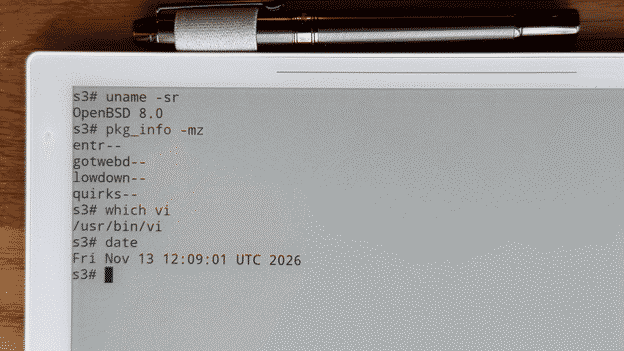
Alt...
photo of termux on supernote manta

Alt...
photo of einkbro on supernote manta
...
Older...
@hi I've seen einkbro recommended, but not it personally For my Supernote & other eink Android devices I put together a small browser at https://qrvhu.org/android/browser.apk
...
...
@hi I put a copy at https://qrvhu.org/temp/browser.tar.gz It's about 500 lines of Java, and some bugs certainly remain; I've not done a proper set of tests on it at this point. I pretty much stopped as soon as it was meeting my current needs.
...
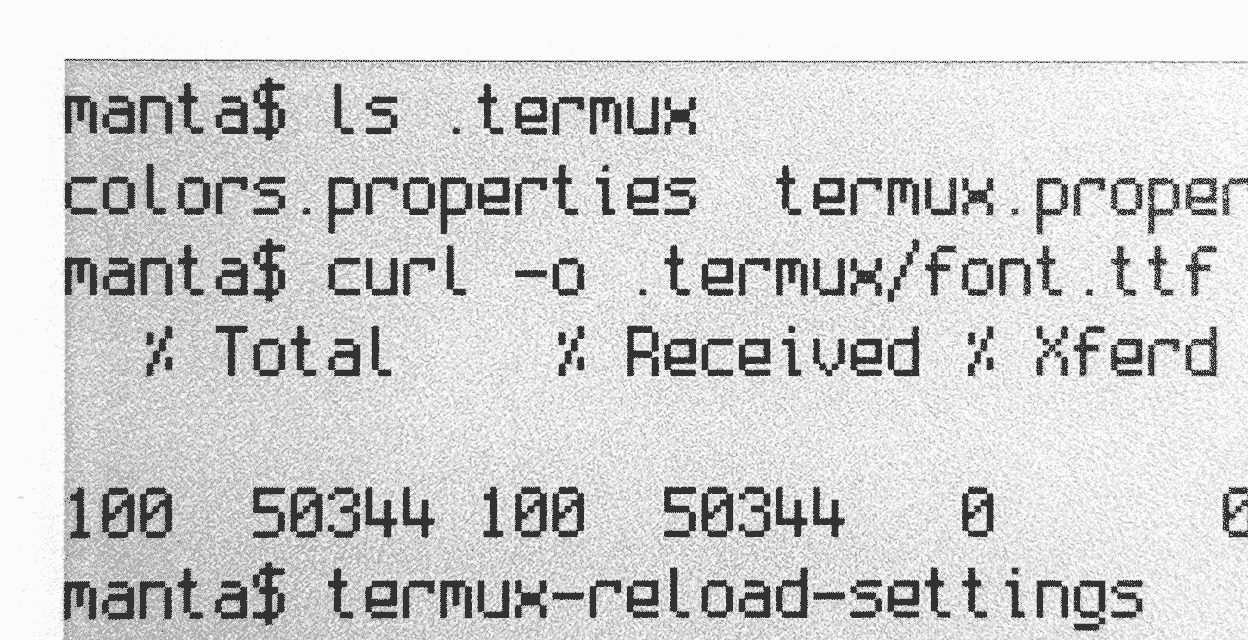

@hi einkbro is an android app you can sideload on the supernote
i use an ergodox keyboard with mine + termux + vim to create a low eyestrain terminal as well... there's a lot you can get done with a simple black and white browser and a term!
...
...
@hi ahhh yeah... i find the web is just a tad too broken these days to reliably use terminal browsers
...

...
I had a similar situation with my RSS feeds years ago. I had supercategories of (conceptually) "Read every post", "Read all headlines and possibly drill in", and "Skim headlines but not usually important."
I found that the last category could simply stop arriving and I could decimate the second category—if it was important news, it would cross my path in other ways from folks I trusted, and saved me hundreds of headlines each day.
...
no rss, no social media feeds, no inboxes to check
...
hah, using rss2email here, so my RSS is also in my inbox. 😆
...
but no, i don't want any subscriptions even if they go to my mailbox :)
things i like:
• operating system is simple and polished
• native apps (notes and atelier) are exactly what i needed
• easy to connect a bluetooth keyboard
• easy to sideload android apps (installed termux)
• easy to rsync things back and forth with termux (sshd keeps running even when manta is sleeping if usb-powered)
• battery lasts long enough (this time lasted two and a half days of heavy use. impressive for such a lightweight device)
things i didn't like too much:
• can't preview atelier files in supernote partner app (or i just couldn't find how to do that)
• note files grow quickly in size, making syncing slow, editing a single page in a large file requires transferring the entire file (for now i just have fewer pages per file)
• word is fine for simply typing out text, but not ideal for editing it (luckily, i can use vim instead)
• nordic keyboard layouts are missing (again, i can use vim and type everything i need even with just an ansi layout)
• ocr struggles to accurately recognize my handwriting (but i don't really need this feature: i prefer notes handwritten and text typed).
things i find puzzling:
• i understand that people use all kinds of pens, which is why a pen loop makes sense. however, every time i try to put my manta into my bag or take it out, the pen gets caught and stuck. i haven't found a solution for this yet, so i'll probably just remove the loop altogether
• still looking for some adjustable tabletop stands/easels
...
Older...

supernote manta review [SENSITIVE CONTENT]
@hi This thing looks great. I hope it’s open enough that I can make software for it in the future.
supernote manta review [SENSITIVE CONTENT]
@hi on the notes file size: they tend to shrink if you use the toolbar option to bring up the file selector. Doing this runs a cleanup on the open notes, which can save a lot of space in them.
I'm working on my own sync system for the Supernote and my own server. It's not done yet (I haven't implemented partial transfers yet, or support for excluding specific files or directories), but is already faster than Supernote's built in sync service. I'm hoping to do more work on this in December.
The sync program I'm writing ties in with a separate program I wrote that generates a browsable export of notebooks, with hyperlinks between them working. I haven't worked on Atelier support yet, but do plan to do so when I have a decent block of free time to dig into the file format.
...
supernote manta review [SENSITIVE CONTENT]
this is amazing! please keep us posted ❤️thank you for your advice on the note file size.
let me try to run a cleanup...
...
supernote manta review [SENSITIVE CONTENT]
@hi Will do. I'm hoping to finish it as part of my December projects. I'll let you know when it's ready.

supernote manta review [SENSITIVE CONTENT]
@hi@romanzolotarev.com I was looking into getting a ReMarkable Paper Pro, but this has got me thinking. Can I ask, what date formats does it support?
...
i found this in settings:
display & input > date & time > date format
• 12 April 2023
• April 12, 2023
when i create a note it automatically names it in this format
"%Y%m%d_%H%M%S", e.g. 20261114_0659
...
@hi@romanzolotarev.com Exactly that, thank you!
I would very much like to know how you get on with it. 😊
when i was looking for an #eink tablet, i wasn't sure whether i really needed a frontlight. i decided to give #supernote a try, and so far, i haven't found myself in a situation where i wished it had one. i actually enjoy the brighter display and the superb writing experience.
another thing i wasn't sure about was whether i needed a tablet running a newer version of #android. i still don't know how that will work out in the long run, but for now, it simply doesn't matter. the software is stable, fast enough for my needs, and energy-efficient.
why #manta?
• large screen 10.7" 300 ppi
• lightweight (467g with folio)
• ceramic erm pen
• minimal nib-to-ink distance (no frontlight)
• user replaceable battery and main board
• polished minimalist ui
• can sideload apps
• webdav and private cloud
• offline friendly
what concerns me, though, is that supernote has the technical capability to remotely lock your device...
...
@hi what’s the OS on those things? Android-like or full custom?
...
@hi@romanzolotarev.com Have you thought about Syncthing to synchronise your files?
LOOK at this beautiful netbook I found in storage. BIOS states the battery is completely drained and unable to boot, but we are solving that problem. And to make this morning enjoyable, we have a bootable #NetBSD to install a delightful slop free desktop 😺
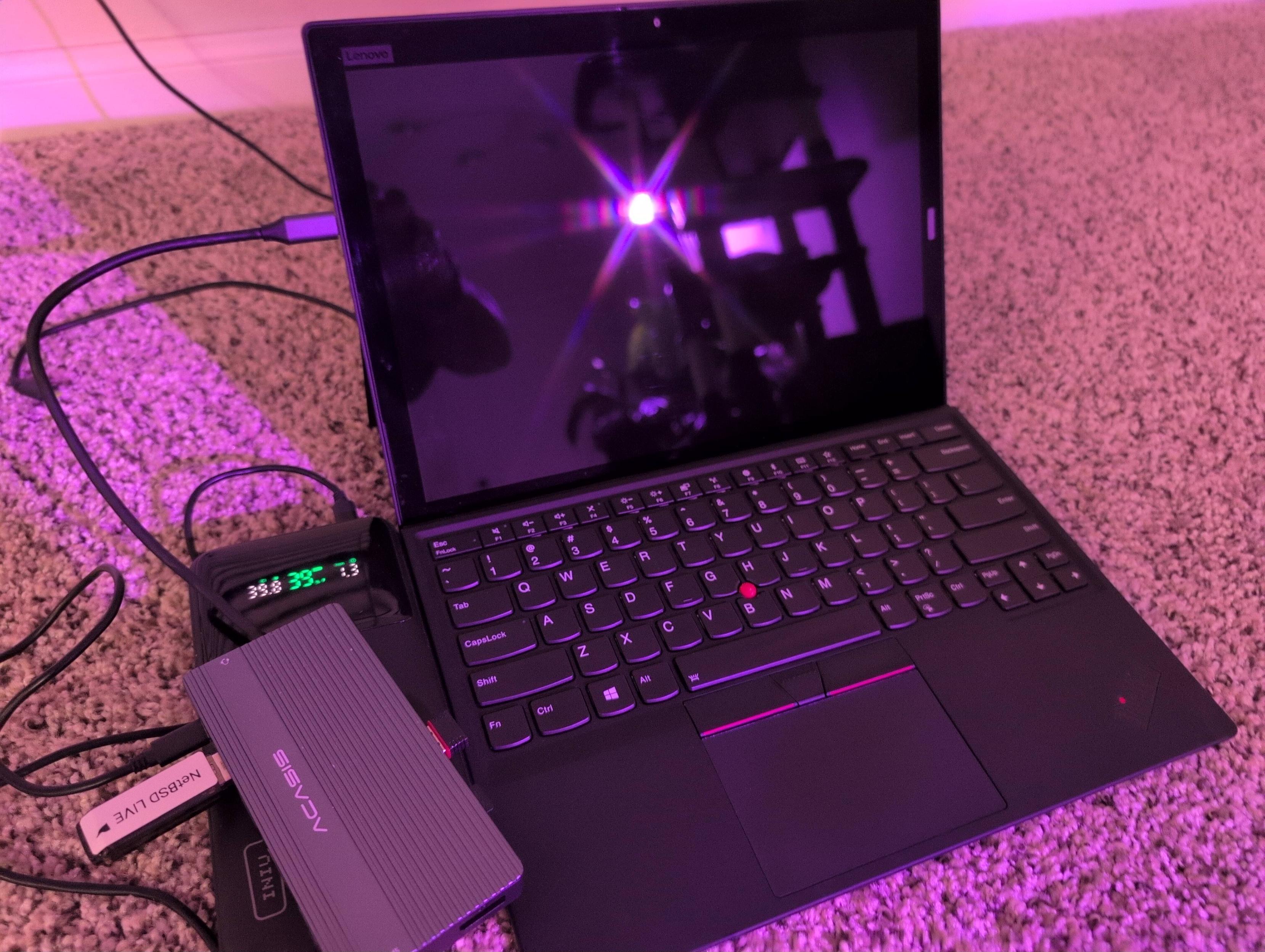
Alt...
A Thinkpad Carbon X1 set up with a dock port expander with charging, extra wired and wireless networking that is expected to work with the default boot, and a #NetBSD live USB image.
...
Now we are at the point of no return! The Thinkpad Carbon X1 booted the Live #NetBSD USB image, and typing "startx" after a default login at the console, here we go with the "sysinst" command. I can feel the speed from this system affecting the space-time continuum. The power to lean ratio is directly affecting the laws of physics through this console. We shall take over the world with this new installation.
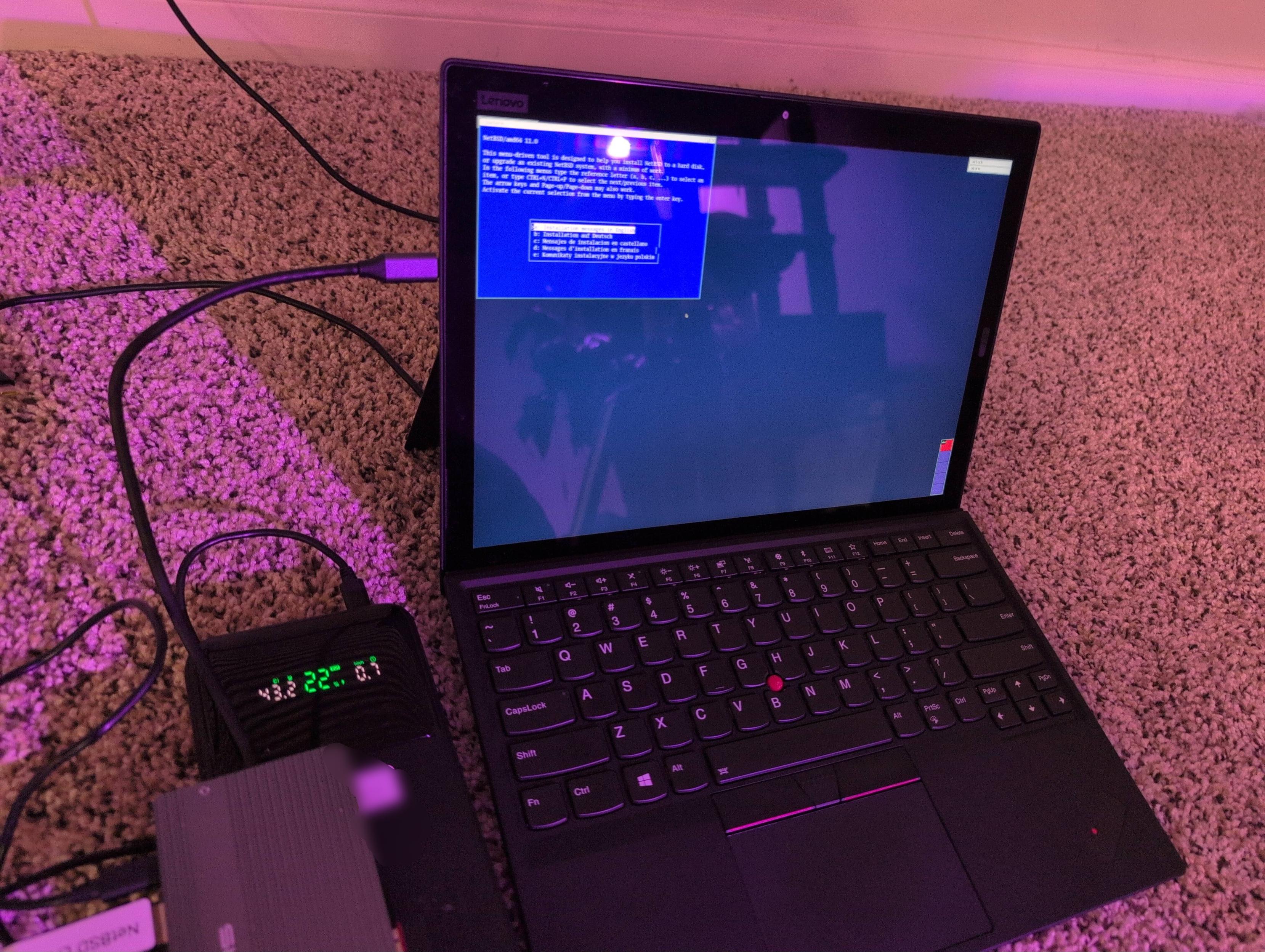
Alt...
The Thinkpad Carbon X1 out of storage with the NetBSD image running sysinit for the install.
...
Older...

Total memory used: 280MB, 15GB free, this is the start of a good morning. Not bad for a 64 bit system.
...

@dianea That's X1 tablet. Correct?
Please provide some feedback on how it went and what finally worked.
If you could also share what processor it runs, it would be awesome!!
Well, this is unusual. For some reason, wpa_supplicant does not work. I can use ifconfig to manually set up a connection with the wireless router, states the connection is active for a few minutes, then states "no network" while no connection. Wired works quite well but requires dongle, wireless almost there. How odd...
I believe this laptop is supposed to have a touch screen, but that feature was not showing up in the bios setup and a Linux distribution confirmed this does not have it, or requires some special stylist.
The USBC charging for this laptop requires a full 100W charger or the main board does not have the hardware to deal with it. Sound appears to work. I cat urandom into /dev/sound for wonderful saturated white noise. I will know more about the sound and video acceleration when the wireless network is up and try the browser with multimedia and playing a video
...
Apparently, the problems I am having with the laptop may be a hardware defect. Fortunately, Lenovo has excellent built in UEFI boot diagnostics that might tell me a loose cable under the cover or that particular section of the board. Built in diagnostic tools of this level are amazing.
...
Took it apart and identified the touch sensor connectors, they were intact with no damage, but the display connector did have damage. Look like someone was in here before. I found out the battery was not holding charge. I looked at the price for a new screen and found a good used one with this excellent display resolution is cheaper, so a "new" one is on order. I really like how this laptop performed with NetBSD and the display was amazingly bright. Excellent hardware, but this particular one had too much damage.
@dianea hello, what thinkpzd model is that? How is s3 sleep working on this one?
# sysctl -w hw.acpi.sleep.state=3

can you recommend a simple ebook reader app for #android-based #eink devices?
all i need is:
- browse my library at ~/Books
- open epub and pdf files
- remember reading position
- navigate page by page
- close a book and switch to another one
...
Older...

 p » 🌐
@p@hj.9fs.net
it's my favorite computer reader, which does exactly what you describe. don't personally know what the android experiences is though.
edit: just tried it, works pretty good. it's also on f-droid.
not sure what the difference between mini and viewer is though:
...
indeed it's very simple and does what i need... almost :)
- mupdf uses default android file browser (font size is tiny, hard to read in manta)
- pages jump a little bit when turning or when zoom in/out (animation doesn't look good on eink displays)
- couldn't find a way to close the book and open a new one (probably it's just me)
...
p » 🌐
@p@hj.9fs.net
when you close the app, it closes the book (but saves the progress). whenever you open the app, it starts in the file browser.
...
settings > my apps > [app] > force stop
so mupdf works, but not easy to use on a #supernote

koreader feels like the best of them all. it just has so many options that configuring it feels like a full-time job
...


@hi KOReader can be overwhelming at first, but totally worth it. Put ZenOS on top of it and you'll get a nicer experience. From there you can explore the rest of options at your own pace.
...

@hi if you get to the point where ya run it on multiple devices I made a self-hostable sync server for it: https://codeberg.org/qbit/kogs :D
...

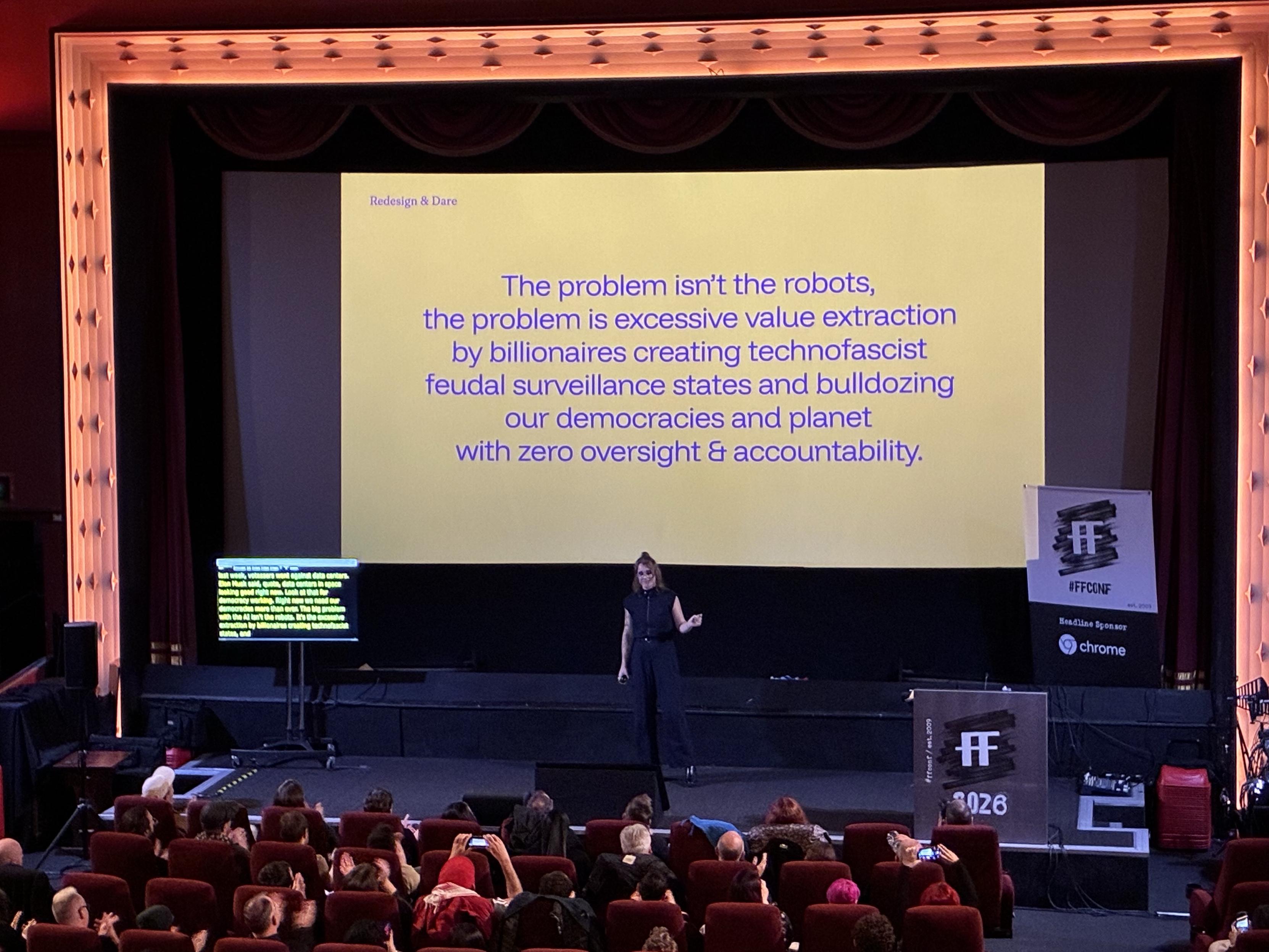
Amazing and inspiring talk from Lena Reinhard capping off the day at #ffconf. Uh…yes! ✊
Alt...
Speaker on stage presenting a slide with text “The problem isn't the robots, the problem is excessive value extraction by billionaires creating technofascist feudal surveillance states and bulldozing our democracies and planet with zero oversight & accountability.”
.profile:alias b='am start -a android.intent.action.VIEW -d'so i could just open a web page i need (if w3m is not enough)
$ b https://romanzolotarev.comand later i can add aliases for my favorite sites, of course

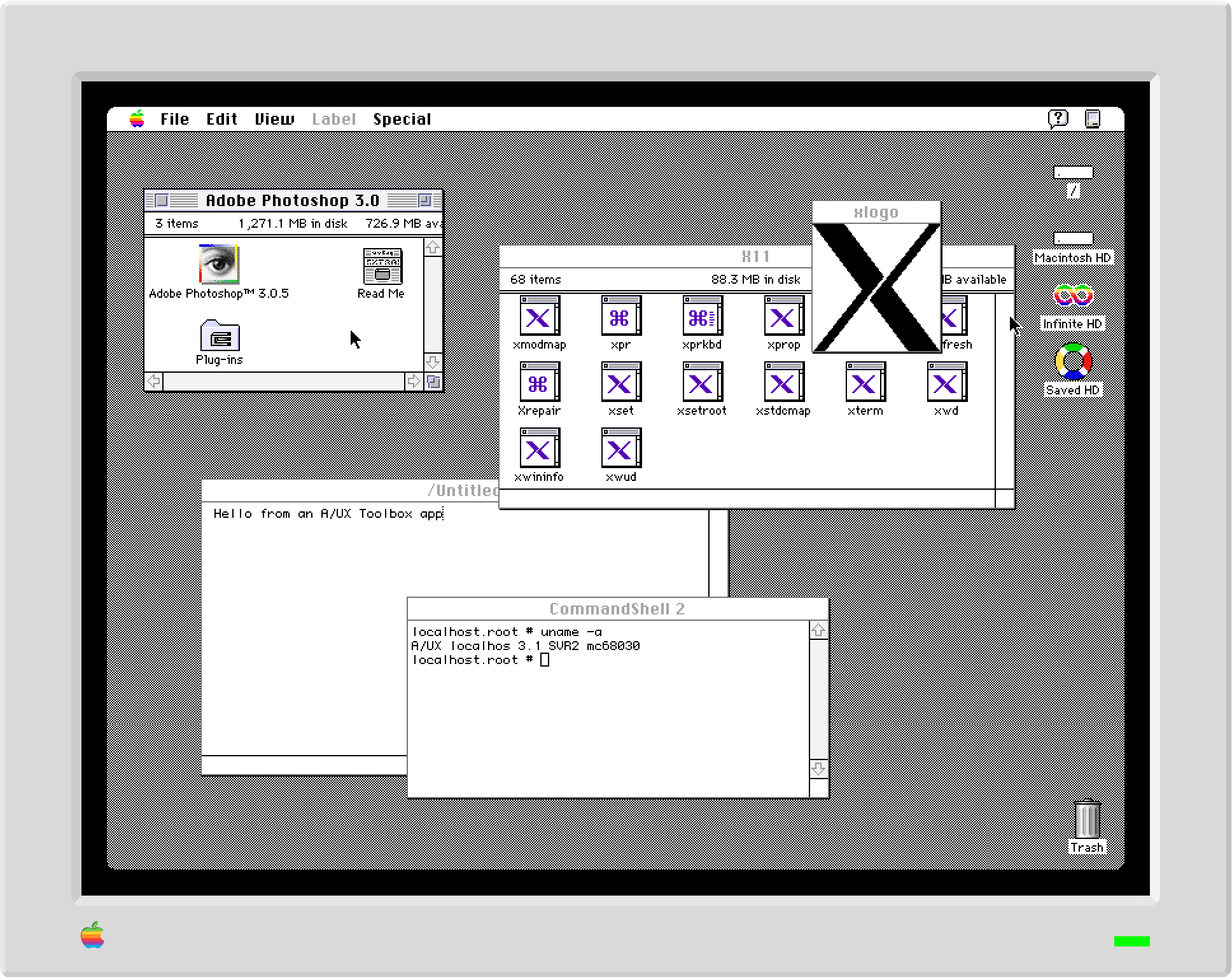
I've switched over Infinite Mac's classic Mac emulation to @twvd's awesome Snow, which unblocks A/UX emulation: https://infinitemac.org/?filter=aux
There's a behind-the-scenes blog post at https://blog.persistent.info/2026/09/infinite-mac-snow-and-aux.html detailing this and other site updates.
Alt...
A/UX 3.1 running inside Infinite Mac, showing the Finder opened to a Photoshop Window, the xlogo X11 program, and a command shell.


Alt...
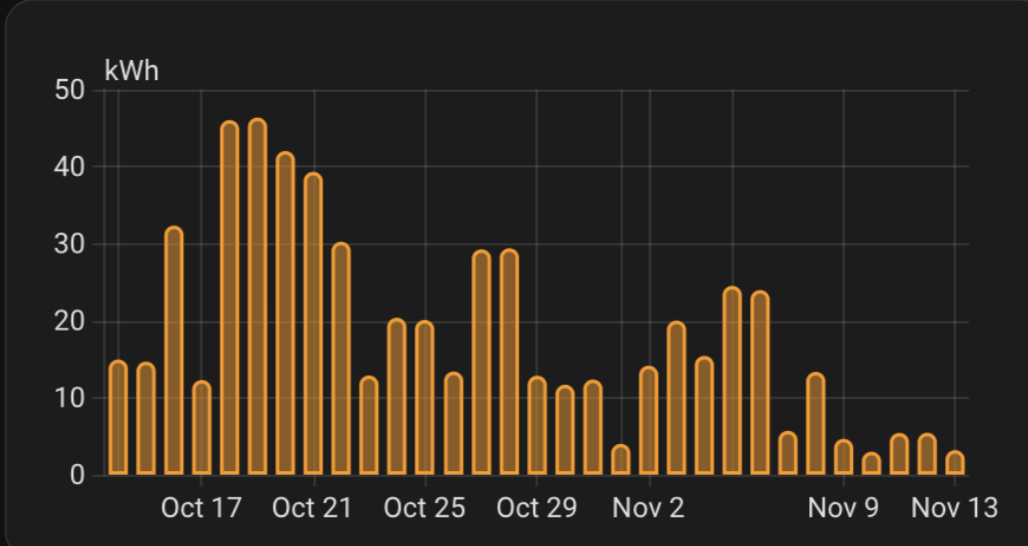
chart showing a decline in solar energy harvest in october and november
Alt...
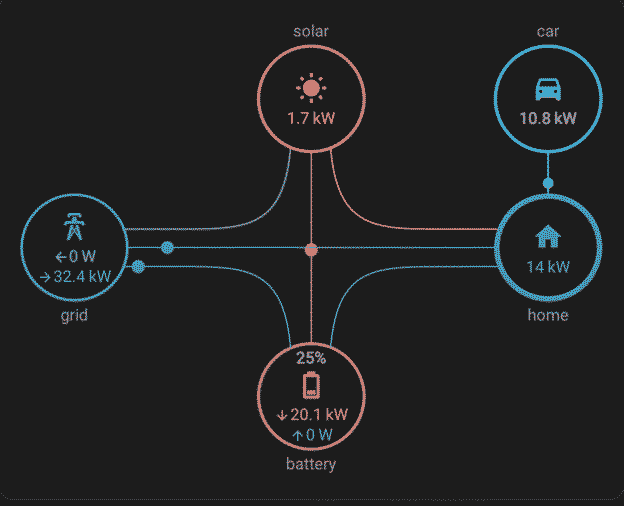
energy flow chart showing solar power charging both the home battery and the car battery from the grid
...

@hi ugh, yeah, I also mostly been street charging not just because our 10A grid link can *either* heat the house or charge the car, but not both -- but also because prices been so bad, it's cheaper to just charge on a street charger o_O
...
...
@hi I know what you mean but I also spent enough time in Estonia to know that November is *basically* winter already 🫣❄️